

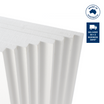
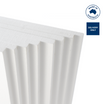
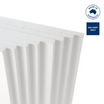
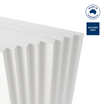
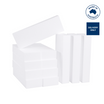
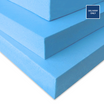
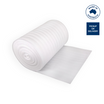
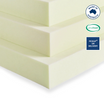
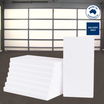



Comfort depends on how foam responds to pressure and how well it recovers after repeated use. With flexible polyurethane foam, density, firmness and thickness influence the support and cushioning you experience. Selecting the wrong grade can leave a cushion feeling uncomfortable or losing its shape prematurely. We supply different grades of polyurethane foam at The Foam Company, with options for seating, bedding and other applications.
Flexible polyurethane foam is widely used in seating, bedding and cushioning because it can provide different levels of softness, support and recovery depending on the grade selected. From mattresses to furniture upholstery, the right polyurethane foam can make a noticeable difference to comfort and durability.
The Composition and Science Behind Comfort
Cellular Structure and Airflow
Flexible polyurethane foam has an open-cell structure that allows air to move through the material. This breathability can help reduce heat build-up and makes the foam suitable for many seating, bedding and cushioning applications.
Pressure Distribution and Support
Flexible polyurethane foam can help distribute pressure across a seating or sleeping surface, depending on the foam grade, firmness and thickness selected.
Temperature Sensitivity
Memory foam, a variant of flexible polyurethane foam, responds to body heat and pressure, allowing it to conform more closely to the shape of the body.
A Closer Look at Varieties and Grades
High-Resilience Foam: The Stalwart Support
When it comes to durability and support, high-resilience foam takes centre stage. This grade of foam offers strong bounce-back capability, helping it maintain support over extended periods. With appropriate use, high-resilience foam retains its ability to recover after compression.
Memory Foam: The Contouring Comfort
Memory foam is a true comfort pioneer, with its ability to contour to your body's unique shape. By responding to your body's heat and pressure, memory foam creates a surface that cradles and supports, leaving you feeling weightless and well-rested.
Conventional Foam: The Balanced Choice
Conventional polyurethane foam is a versatile option used across bedding, upholstery and general cushioning applications. Different grades are available to provide varying levels of softness, firmness and support.
Density and Firmness: Two Different Properties
A dense cushion is not necessarily a firm cushion. Foam density describes the amount of material within a given volume, while firmness describes the force required to compress it. These properties affect your comfort differently.
A low-density foam can initially feel comfortable but may lose its shape sooner under frequent use. A higher-density grade generally contains more material and can provide better durability, although its actual performance depends on the formulation and construction.
When selecting PU foam for a frequently used sofa, consider the firmness you enjoy alongside the density needed for the expected workload. A guest-room cushion and a family sofa experience very different levels of daily compression.
Tailoring Comfort to Your Preferences
Customisable Density Levels
Flexible polyurethane foam is available in different densities and firmness levels, allowing the material to be selected according to the required comfort, support and expected level of use.
Hybrid Foam Combinations
Different foam grades can also be combined to achieve particular comfort and support characteristics. A softer upper layer may be paired with a firmer support layer depending on the intended application.

Layering Foam for Better Cushion Performance
A cushion does not have to rely on a single foam grade. Combining a firmer support layer with a softer upper layer changes how the cushion responds when you sit down. The upper layer provides initial softness, while the supporting foam limits excessive compression under your weight.
Thickness also affects performance. A thin piece of soft foam placed over a hard base compresses differently from a deeper cushion made with the same material. The supporting surface, foam thickness and intended load all influence the finished feel.
For upholstery projects, our range of flexible polyurethane foams includes different grades, with cutting to size or profile available upon request.
Personalised Comfort Solutions
Flexible polyurethane foam can be selected for different comfort and support requirements, from mattress components to seat cushions and other upholstery applications.
Flexible vs Rigid Polyurethane Foam
The difference between flexible vs rigid polyurethane foam comes down to their cellular structure and intended function. Flexible foam compresses under pressure and recovers when the load is removed, making it suitable for cushioning and seating.
Rigid polyurethane foam has a substantially stiffer, closed-cell structure and is commonly used for thermal insulation and applications requiring dimensional stability.
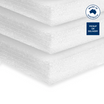
Polyurethane foam sheets therefore need to be selected according to their actual grade and intended use. A sheet described simply as polyurethane does not tell you enough about its suitability for a mattress, cushion or insulation project.
Beyond Bedrooms: Versatile Applications
Furniture Upholstery: Comfort Meets Style
Flexible polyurethane foam is commonly used in furniture upholstery, including seat cushions, back cushions and other padded components. The appropriate foam grade depends on the required firmness, comfort and expected frequency of use.
Automotive Seating: The Road to Relaxation
Flexible polyurethane foam is also used in automotive seating, where the material must provide cushioning while working with the shape and supporting structure of the seat. Whether it's a short commute or a long road trip, the foam's support ensures that you arrive at your destination feeling refreshed.
Vehicle seats experience prolonged compression, vibration and repeated entry and exit. The foam must work with the seat's contours and supporting structure to maintain the intended seating position. Automotive-grade foam is therefore selected against requirements that extend beyond its initial softness.
Acoustic Insulation: Sound Comfort Solutions
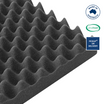
Open-cell polyurethane acoustic foam can absorb reflected sound and help reduce reverberation and echo within a room. It is commonly used in studios, home theatres and other spaces requiring improved sound control.
Acoustic foam primarily controls reflected sound within a room. It does not provide the same function as a soundproof barrier designed to prevent noise travelling between spaces. This distinction is important when selecting foam for studios or home theatres.
Matching Foam to Its Application
The same foam grade will not perform equally well in every application. The way it is compressed, how frequently it is used and the conditions surrounding it determine the properties required.
For example:
- Sofa cushions need sufficient firmness and recovery to withstand repeated sitting without excessive compression.
- Mattress overlays benefit from a grade that provides the desired pressure relief without allowing uncomfortable bottoming out.
- Acoustic panels require suitable sound absorption properties rather than the cushioning characteristics used to select seating foam.
For outdoor seating exposed to rain, standard open-cell upholstery foam also requires careful consideration because it absorbs moisture. Specialised reticulated foam offers improved drainage, although the cushion cover and drying conditions remain important.
Matching the foam to the application reduces the risk of premature replacement and avoids paying for properties that the finished product does not require.
Sustainability and Eco-Friendliness
Environmentally Conscious Production
The environmental impact of flexible polyurethane foam can be influenced by material use, manufacturing efficiency, product lifespan and end-of-life treatment. Selecting an appropriate grade can also help reduce premature replacement and material waste.
Recycling Initiatives: Reducing Waste
In line with sustainability goals, recycling initiatives play a pivotal role. Some flexible polyurethane foam products can be recycled or repurposed through suitable facilities, helping to reduce landfill waste.
Minimising Carbon Footprint
The environmental impact of flexible polyurethane foam depends on its production, durability and end-of-life treatment. Choosing a suitable grade that maintains its performance can reduce the need for premature replacement.
Testimonials from Satisfied Comfort Seekers
Real-Life Stories of Comfort Transformation
Discover the impact of flexible polyurethane foam through real-life stories of individuals who have experienced transformative comfort. These testimonials highlight how the foam has made a tangible difference in their lives.
User Experiences and Positive Outcomes
Experience the joy of individuals who have unlocked a new level of comfort through flexible polyurethane foam. Positive user experiences underscore the foam's ability to provide not just comfort, but a profound improvement in quality of life.
The Joy of Rediscovered Comfort
The testimonials speak volumes about the joy that comes with rediscovering comfort. Whether it's a better night's sleep or a more comfortable seat, the delight is evident in the words of those who have embraced flexible polyurethane foam.
Explore More: Find Your Perfect Comfort
Homepage Link: Begin Your Comfort Journey
Embark on a comfort journey by exploring the flexible polyurethane foam collection on our website's homepage. Discover the myriad possibilities that await you.
Discover the Collection: Explore Options
Delve deeper into the collection to explore a range of flexible polyurethane foam products. From mattresses to cushions, find the comfort solutions that resonate with you.
Choosing the Right Flexible Polyurethane Foam for Your Project
Choosing the right flexible polyurethane foam depends on the application, required firmness, density, thickness and expected level of use. Whether you need polyurethane foam sheets for seating, bedding or another project, selecting the correct grade will help achieve the required comfort and performance.
For your next project, speak with The Foam Company about flexible polyurethane foam.






Leave a comment
This site is protected by hCaptcha and the hCaptcha Privacy Policy and Terms of Service apply.