



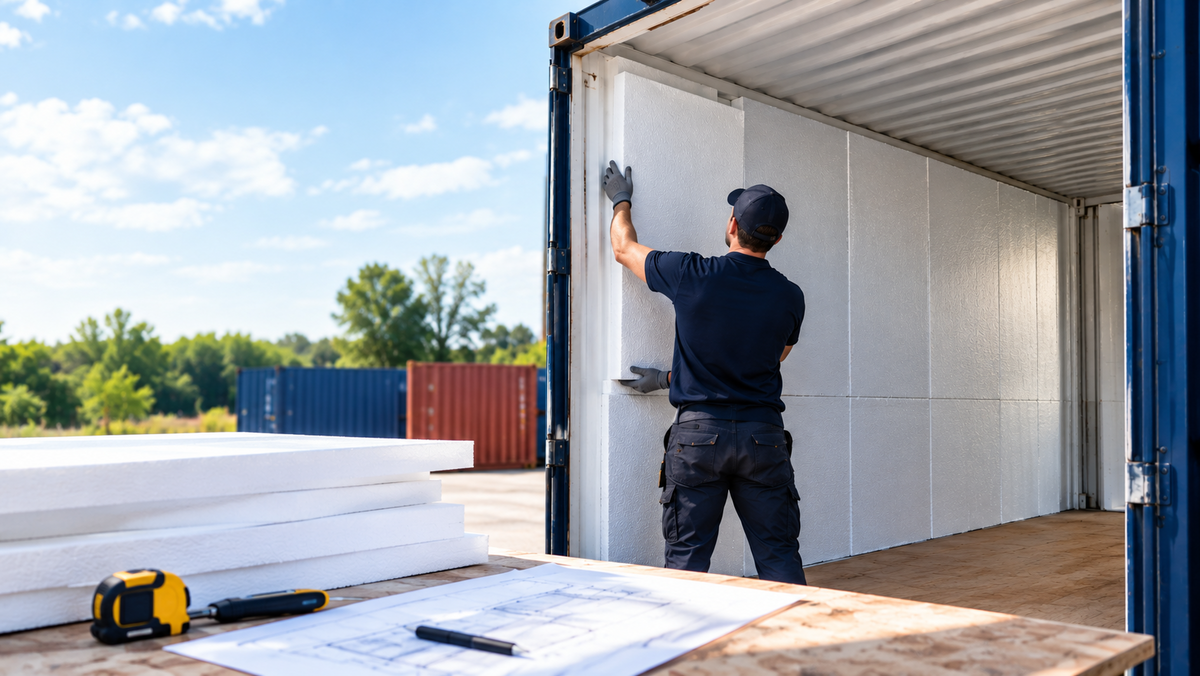
Shipping Container Insulation Guide: Choosing Foam Boards and Planning the Fit
Lining a shipping container takes up internal space, so the thickness available for insulation depends on what needs to fit inside. Shipping container insulation also needs careful detailing where ...
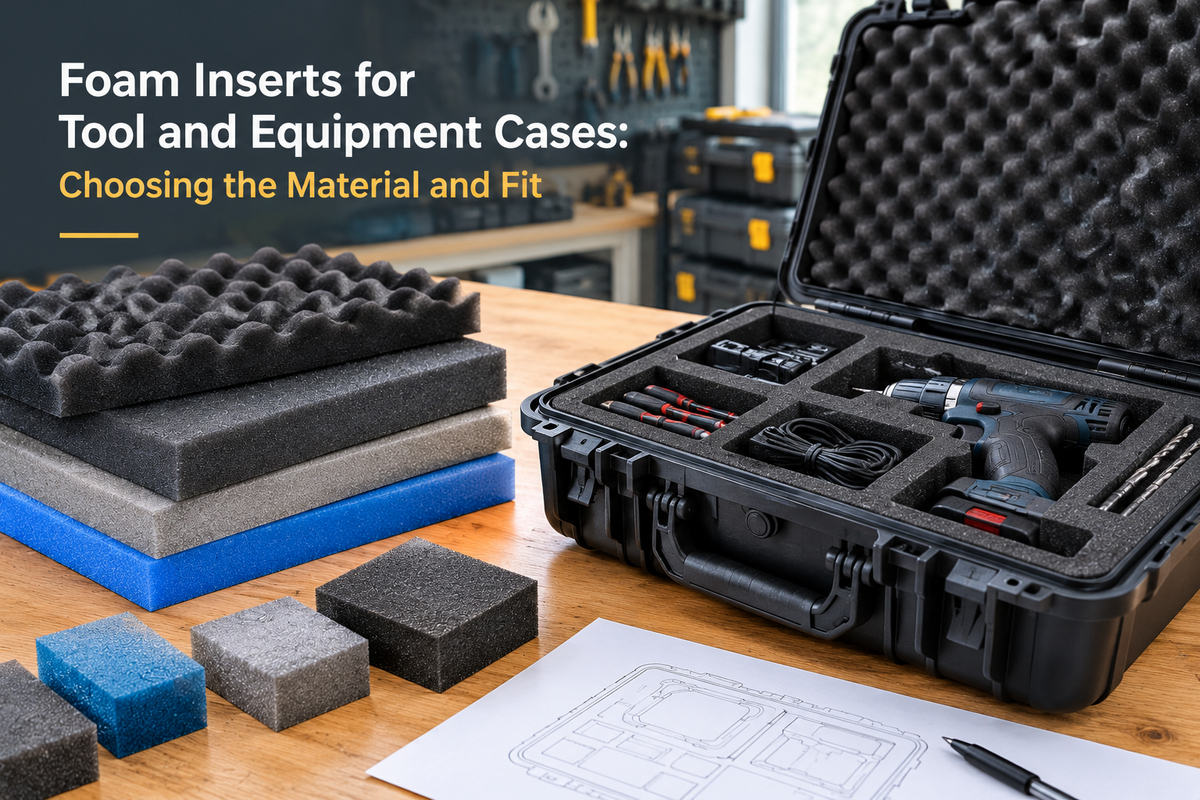
Foam Inserts for Tool and Equipment Cases: Choosing the Material and Fit
Choosing the right foam inserts for tool cases starts with getting the measurements right. Your tools need enough cushioning to stay protected, but they should also be easy to remove. This guide ex...
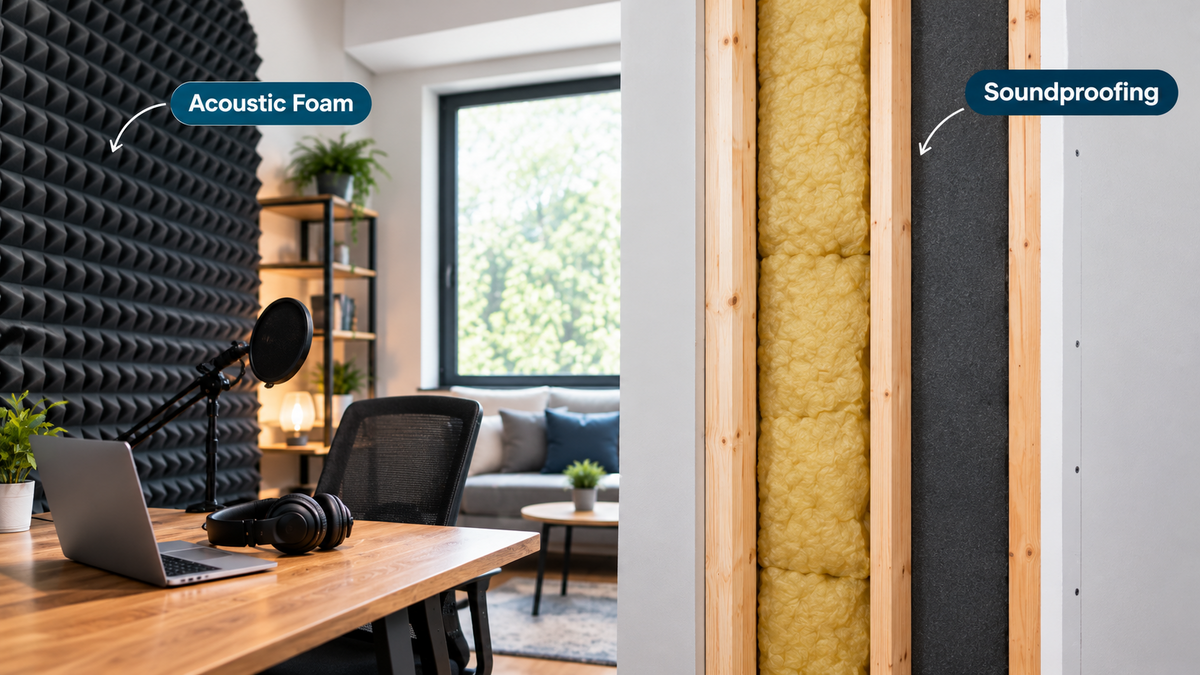
Acoustic Foam vs Soundproofing: What Will Reduce Your Noise?
Echo can make conversations difficult to follow, while noise travelling through a shared wall creates a different problem. Acoustic foam panels can help control sound reflections within a room, but...
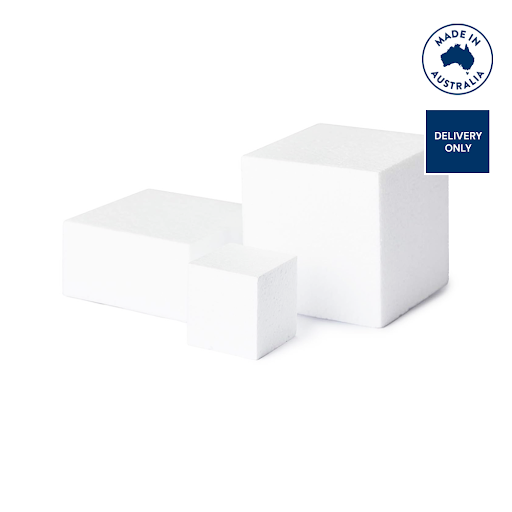
How Much Does Custom Eps Foam Cutting Cost?
Custom EPS foam cutting does not have a single fixed price. At The Foam Company, custom cut-to-size EPS orders have a minimum order value starting from $400 + GST. Standard EPS Polystyrene Sheets c...
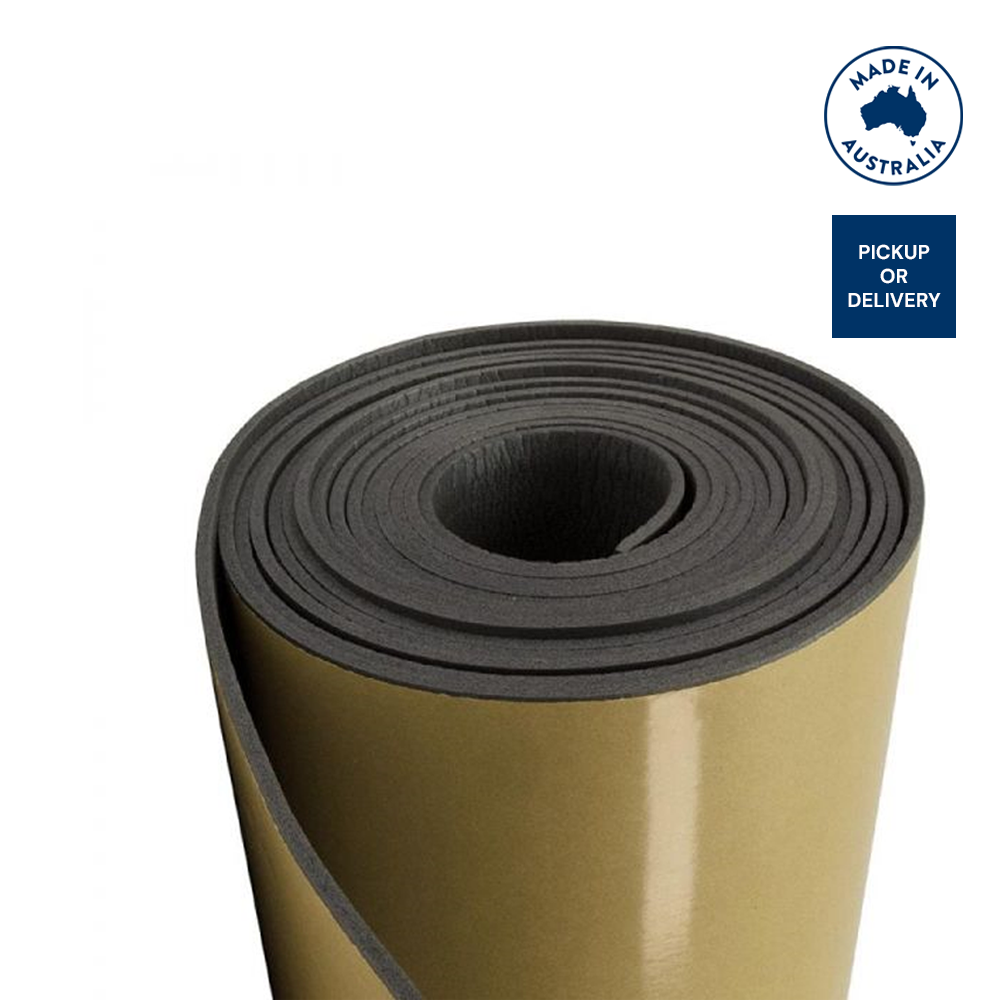
EPE vs XPE vs IXPE Foam: What's the Difference?
A protective insert used for one shipment faces different demands from padding compressed repeatedly during service. In an EPE vs XPE foam comparison, manufacturing method is relevant, but the fini...
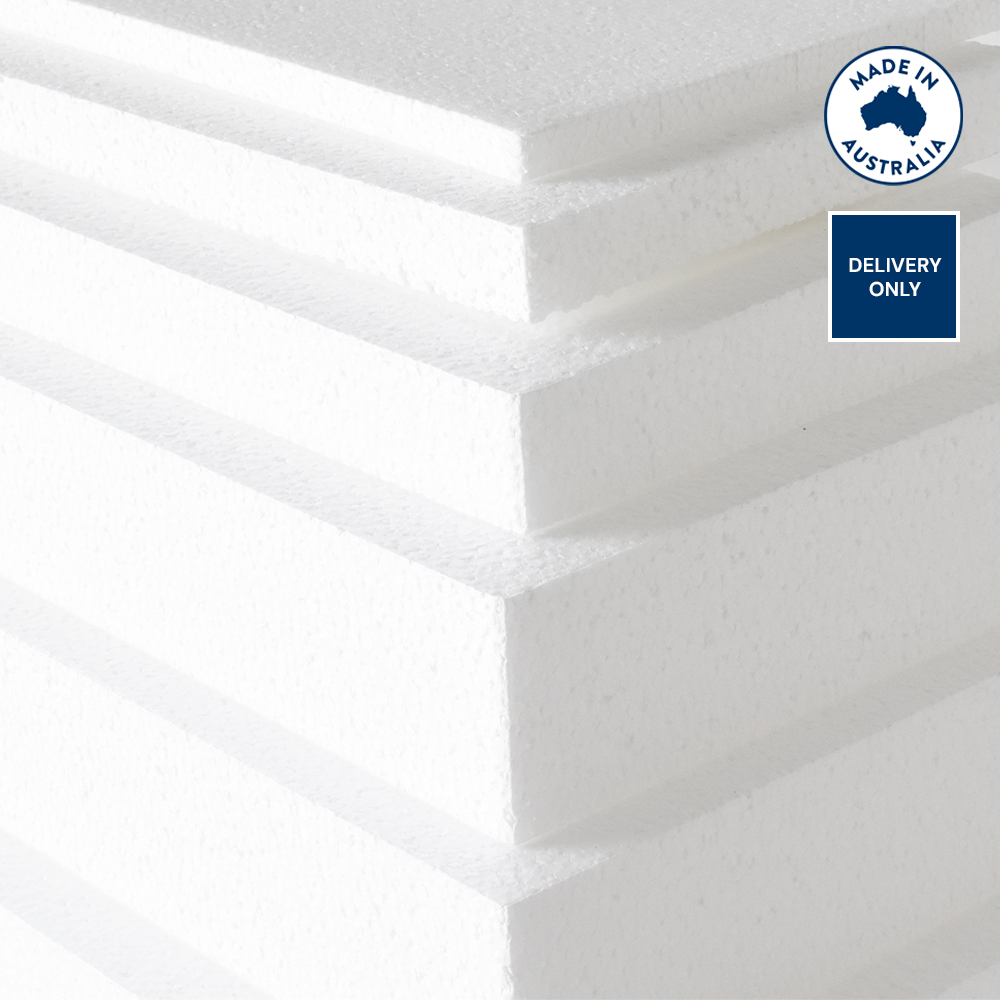
Marine & Boat Flotation Foam: What Actually Determines the Right Foam?
A foam can float and still be the wrong choice for a particular boat installation. Required buoyancy depends on the vessel and its loading, while the material must continue performing where it is i...
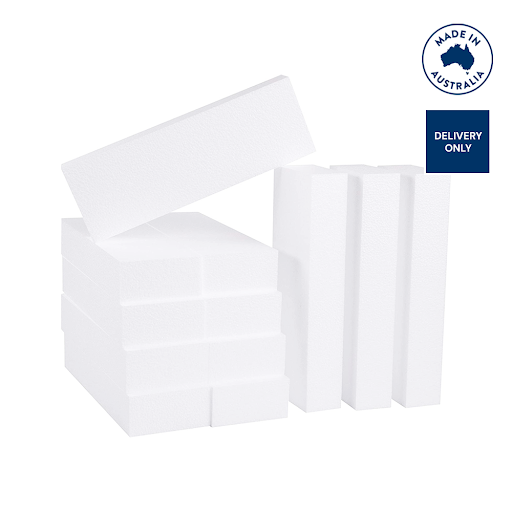
Where Can I Buy Cut-to-Size Polystyrene Foam in Australia?
The Foam Company supplies cut-to-size expanded polystyrene (EPS) foam across Australia, with sheets, blocks and custom profiles available for construction, signage, concrete formwork, industrial in...
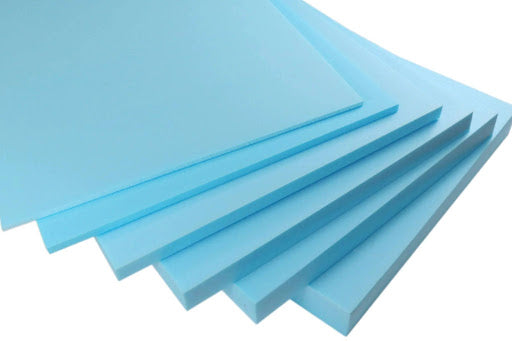
Under-Slab Insulation in Australia: EPS vs XPS
Insulation installed beneath a concrete slab is subjected to load while limiting heat transfer between the slab and the ground. The required R-value, compressive strength and exposure to moisture a...
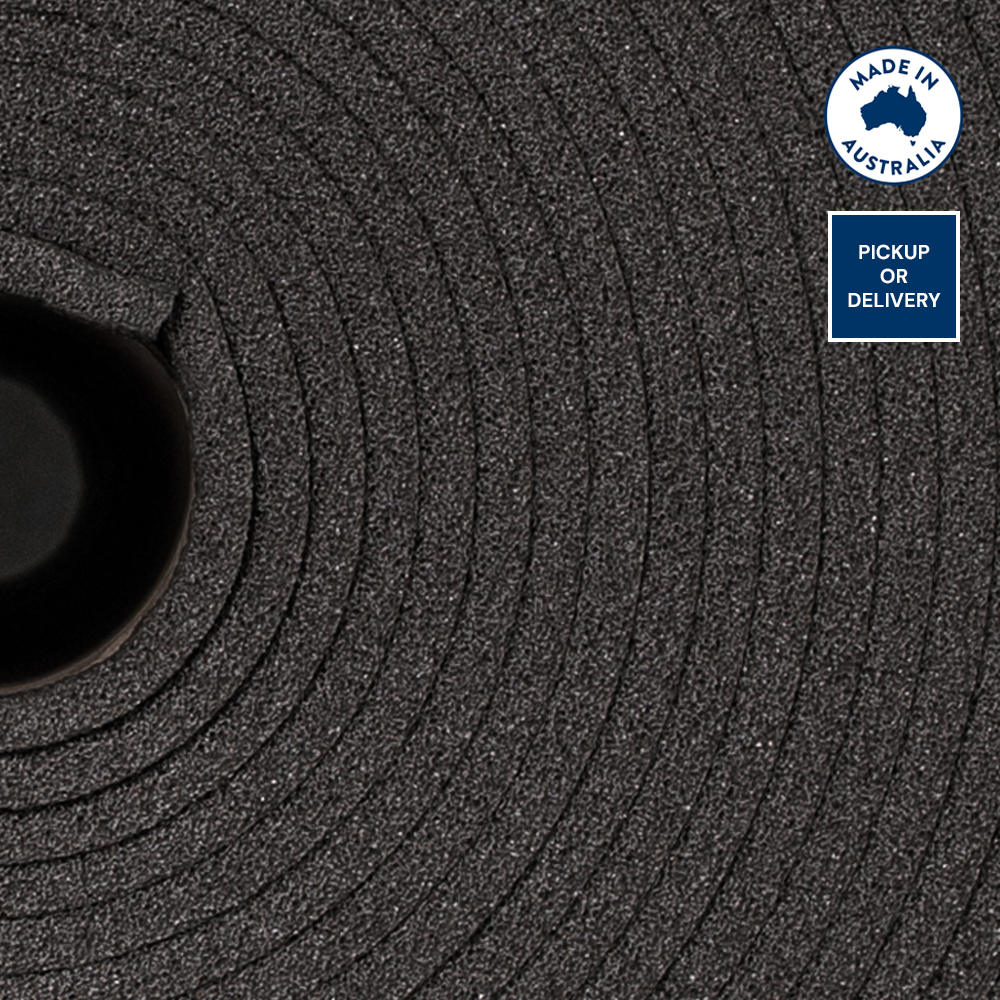
How to Choose the Right Foam: PE Foam vs EVA Foam
The load placed on foam during use sets the physical requirement for the material. Comparing PE foam vs EVA foam means accounting for compression behaviour, flexibility and recovery within a closed...
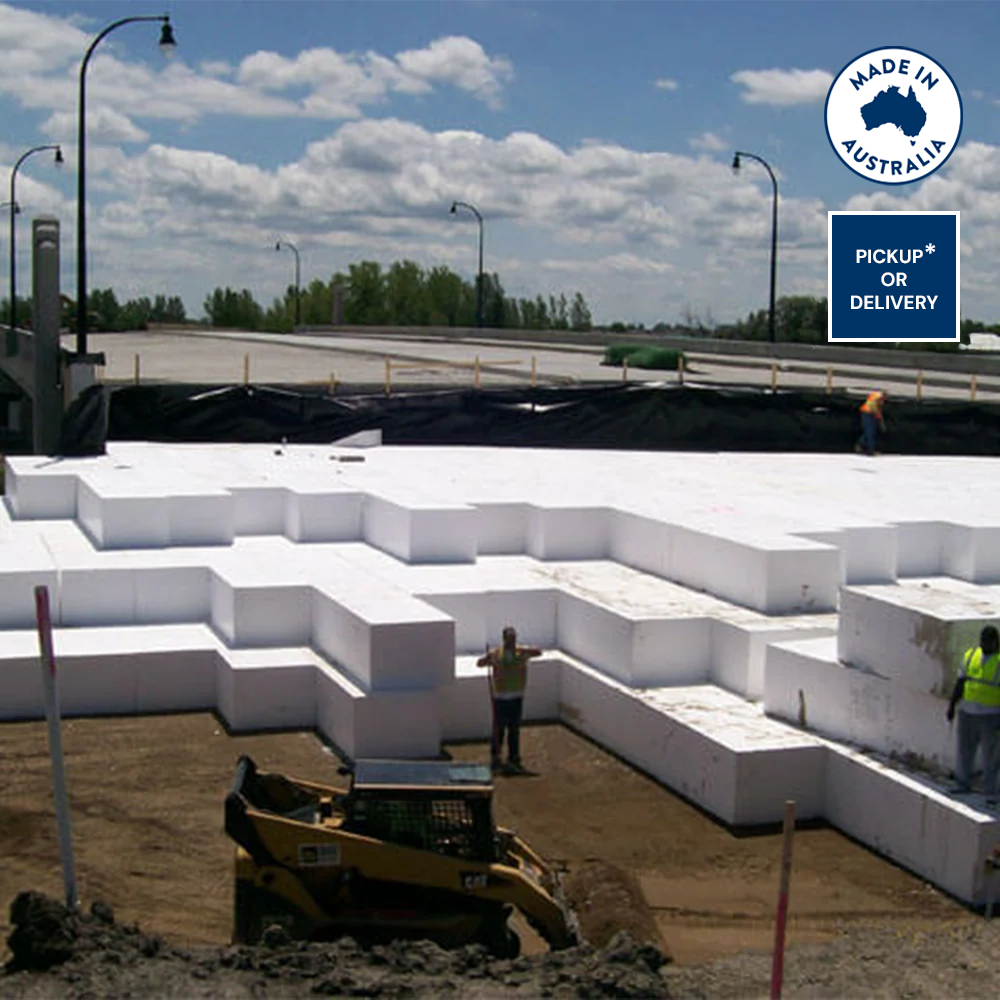
What Is Geofoam? EPS Geofoam Blocks for Australian Construction
An embankment, road widening or other raised construction area can require substantial fill over ground with limited capacity for additional weight. Geofoam provides the required volume using light...

What Is the Best Garage Door Insulation Kit in Australia?
The best garage door insulation kit depends on your door type and priorities. For most Australian sectional garage doors, a custom-cut closed-cell foam kit, such as InsulDoor, offers the strongest ...
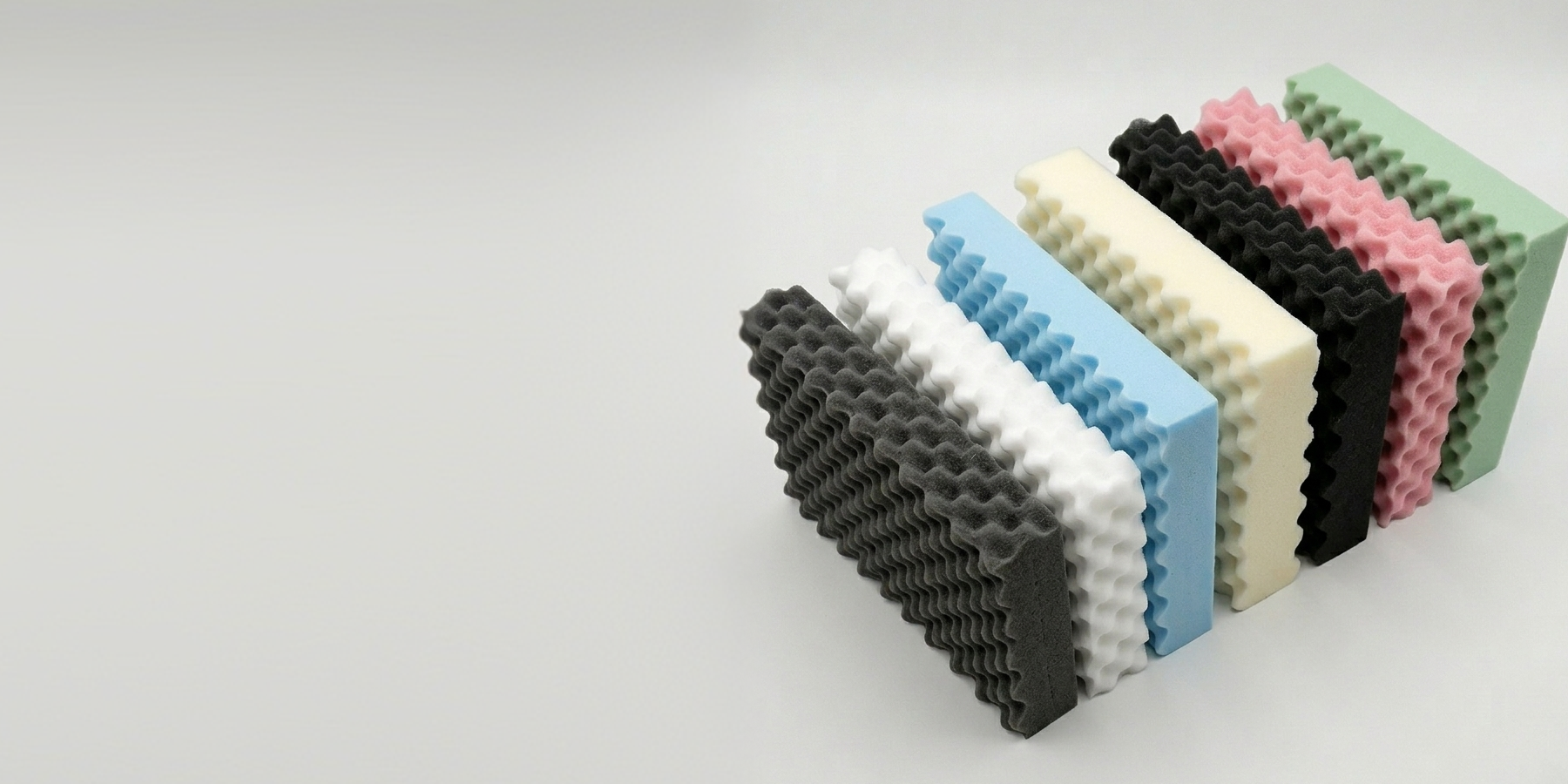
Best Foam for Upholstery and Seat Cushions
Daily use places constant pressure on furniture cushions, and the wrong foam loses its shape long before the fabric wears out. Choosing upholstery foam depends on balancing density, firmness and ho...
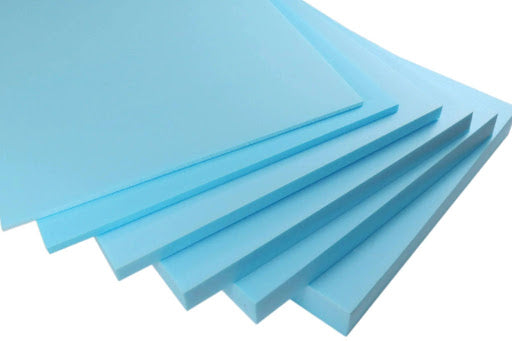
Foam Board Insulation Thickness Guide
Heat moves through walls, roofs and sheds at different rates, so insulation thickness directly affects thermal comfort and energy use. Selecting foam board insulation depends on the required R-valu...
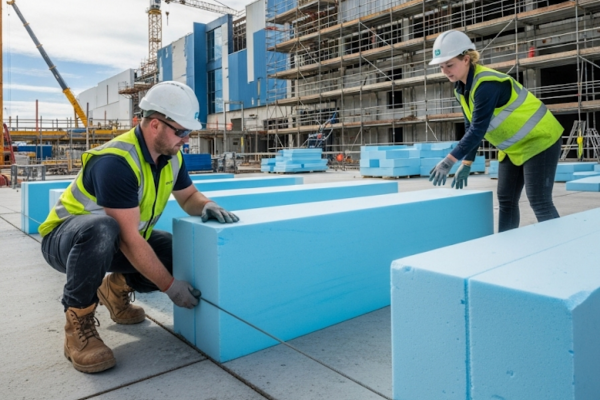
Underfloor Foam Insulation vs Other Materials
Cold air entering through the subfloor affects indoor comfort, energy use and the long-term performance of your flooring. Material selection determines how well underfloor insulation reduces heat l...

How to Choose Packaging Foam for Fragile Items
Product weight, carton movement and surface finish all affect how fragile goods handle freight. The right packaging foam needs to cushion impact, reduce vibration and stop internal movement. Poor f...

A compression load, thermal requirement or moisture condition determines which foam structure belongs in the application. Material density, cell geometry and air movement influence the way open-cel...