




Workshop environments place constant pressure on electronic components. Heat builds up inside enclosed spaces and moisture can settle into wiring and connections, increasing the risk of overheating and corrosion. In specialised settings such as calibration labs, acoustic testing spaces and precision manufacturing workshops, reflected sound can also interfere with measurement accuracy where noise-sensitive equipment is in use.
The Foam Company supplies insulation panels across Australia to help stabilise workshop conditions and protect equipment that needs consistent operating environments. This article:
- Explains why heat and moisture cause early equipment failure.
- Breaks down how insulation changes temperature behaviour inside workshops.
- Clarifies where noise affects measurement accuracy in working environments.
- Helps identify which insulation approach suits different workshop conditions.
Walk into a workshop mid-afternoon and you can feel what is happening straight away. Heat builds up quickly inside enclosed workshop spaces. Once it is trapped, surrounding materials hold that heat, which pushes operating temperatures higher than most electronics are designed for. By the next morning, the temperature drops again.
Repeated changes in temperature and moisture place stress on electronic components. As materials expand and contract and moisture settles into connections, the risk of corrosion, fatigue and reduced reliability increases over time.
How Insulation Panels Stabilise Workshop Conditions
Insulation panels change how that cycle behaves. They slow heat moving through walls and roofing, which reduces peak temperatures during the day and limits how quickly the space cools overnight. With smaller temperature swings and less moisture build-up, electronics operate within a more stable range.
We supply systems based on what is happening in the space.
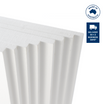
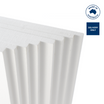
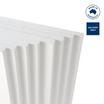
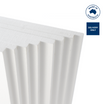
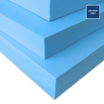
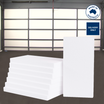
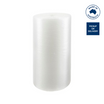
- If heat is pushing through walls or roofing: thermal insulation panels, including rigid EPS sheets used in wall and roof applications.
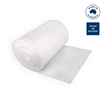
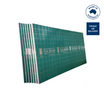
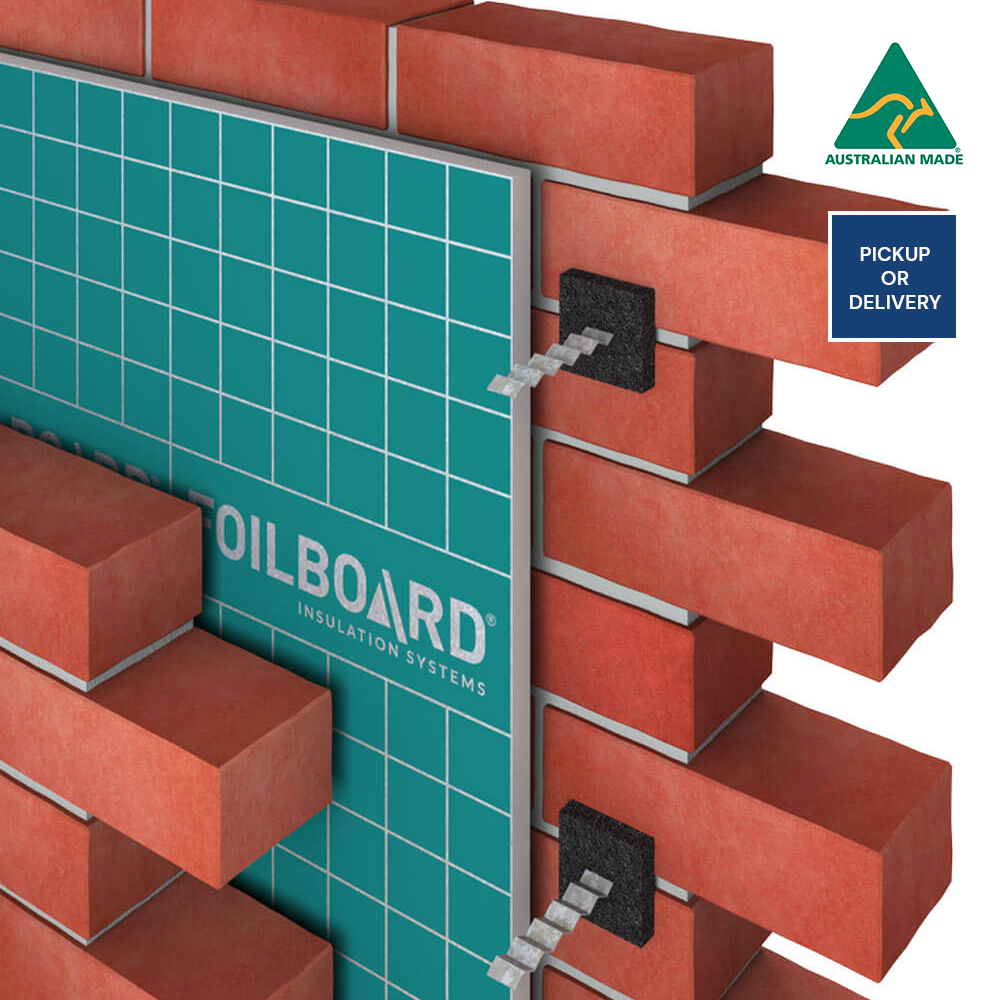
- If heat is coming straight in from above: reflective foil insulation, such as foilboard panels installed under roofing.
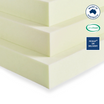
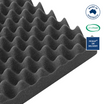
- Where measurement accuracy matters in controlled environments: acoustic foam panels used to reduce reflected sound.
Why Heat and Moisture Should Be Addressed First
Heat is usually the first issue to address because the effect is immediate. As internal temperatures rise, electronic components operate under higher thermal load, which accelerates wear. Guidance from the Australian Government’s YourHome program confirms that insulation reduces heat transfer through building surfaces, helping maintain more stable internal conditions.
Moisture follows a similar pattern but is often less visible. When warm air meets cooler surfaces, condensation forms. That moisture settles onto wiring, components and stored materials. Over time, it can lead to corrosion, electrical faults, and contact issues that cause intermittent performance problems.
In environments using sensors or calibration equipment, moisture can also affect measurement consistency, contribute to mould, material degradation and damage to stored items in the wider workshop environment. The Australian Building Codes Board identifies condensation as a building risk that must be controlled through material selection and installation.
Noise In Specialist Workshop Conditions
Noise affects a different type of workshop condition. In most environments, it is not a direct cause of equipment failure. However, in specialised settings such as calibration work, acoustic testing or precision manufacturing, reflected sound can interfere with measurement accuracy where equipment relies on controlled conditions.
Standards such as ISO/IEC 17025 require testing environments to manage external influences that may affect measurement results. In noise-sensitive applications, this can include sound and vibration where they influence accuracy. In these cases, acoustic foam panels help reduce reflected sound and create more controlled conditions for consistent readings.
Choosing the Right Approach for Your Workshop
When we guide clients, we keep the decision-making practical and tied to what is actually happening in the space:
- Install thermal insulation panels where temperature changes are affecting equipment or stored materials.
- Use reflective foil insulation where radiant heat is entering through the roof or exposed walls.
- Consider acoustic foam panels only where noise-sensitive measurement or testing is part of the work.
- Choose energy-efficient building materials that maintain performance under real working conditions.
- Look for sustainable insulation solutions that retain structure and effectiveness over time.
Insulation Panels FAQs
Q: How do insulation panels improve home energy efficiency?
A: Insulation panels improve home energy efficiency by reducing heat transfer through walls and ceilings. This helps maintain stable indoor temperatures and reduces reliance on heating and cooling systems.
Q: What type of insulation panels are best for Australian climates?
A: The best insulation panels for Australian climates manage both heat and moisture. Combining reflective surfaces with rigid thermal materials helps handle strong sun exposure and temperature variation.
Q: Can insulation panels reduce noise and improve indoor comfort?
A: Insulation panels can reduce noise by absorbing reflected sound, which lowers echo and improves clarity. This can support more accurate readings in environments where sound affects measurement.
Q: How long do modern foam and foil insulation panels last?
A: Modern foam and foil insulation panels can last for decades when installed correctly, as their structure resists sagging, moisture damage and long-term degradation.
Q: How can insulation panels protect homes from extreme weather or fire?
A: Insulation panels help protect homes by stabilising internal temperatures and, in some cases, providing fire-retardant properties when used within compliant building systems.
Talk to our team at The Foam Company about insulation panels suited to how your workshop actually runs.





Leave a comment
This site is protected by hCaptcha and the hCaptcha Privacy Policy and Terms of Service apply.