



Businesses buying for fit-outs, insulation, packaging or events usually notice problems after delivery, not at checkout. The Foam Company approaches that decision as a foam supplier issue first: range, custom capability, lead time and support all show up on site across Australia. This article:
- Clarifies what separates supplier capability from shelf-stock retail buying.
- Helps assess range, custom work and project support before ordering.
- Shows where professional distribution affects timing and accuracy.
- Guides better buying decisions for trade and project use.
A retail purchase works when the job is small and the material is standard. Once deadlines, exact sizes, multiple sheets or freight are involved, the risk shifts. If the material is wrong, the job slows down. If it arrives late, work stops.
Most teams only see the impact once labour is already on site and waiting. At that point, the cost is no longer the foam – it is the delay, the rework and the disruption to the rest of the job. That is where a foam supplier starts to matter.
What Professionals Usually Need From a Supplier
On most jobs, foam is not a one-off purchase. It includes foam sheets and panels that need to fit straight into place without adjustment.
If sheets turn up oversized or inconsistent, someone ends up trimming or forcing them into position. That adds labour, slows installation and creates inconsistencies across the finished work. That is why experienced teams push the work upstream. Material is cut before it leaves the warehouse, not after it reaches site.
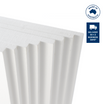
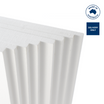
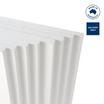
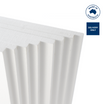
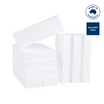
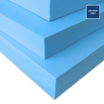
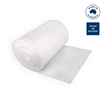
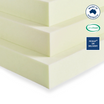
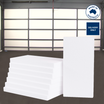
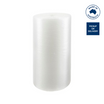
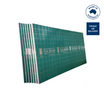
The Foam Company supplies expanded and extruded polystyrene, polyethylene, polyurethane, packaging foams, acoustic foams and Foilboard products from warehouses across Australia, supporting professional foam distribution with materials cut to size before dispatch.
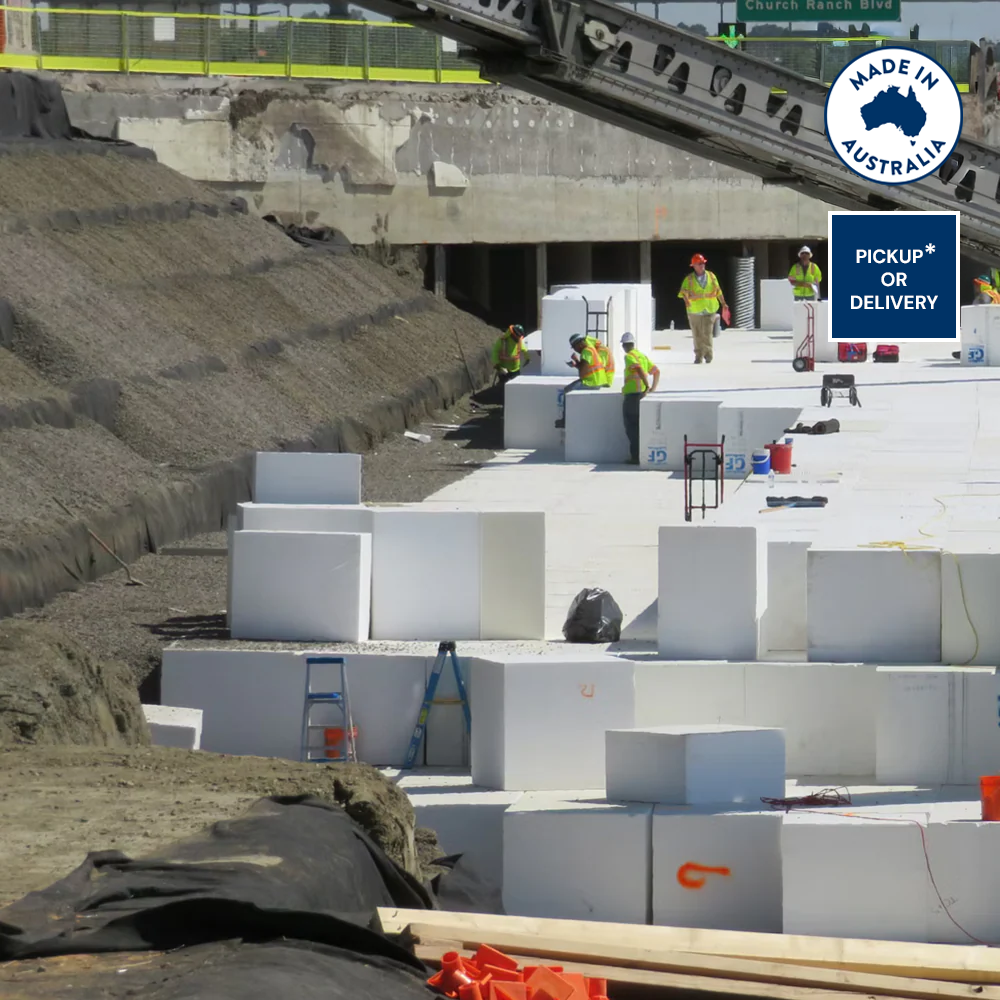
You see the difference most clearly in construction. Insulation boards need to sit tight within framing. If they do not, gaps form and thermal performance drops, which then needs to be corrected.
In other scenarios, event pieces that arrive slightly out affect the visual finish immediately. Insulation and packaging foam that does not hold properly lead to product movement and damage, returns and replacement costs.
Retail shelves rarely support that level of precision. That is the point where most teams move away from convenience and start comparing Australian foam suppliers and the custom foam products they can deliver.
Why Retail Stores Stop Being Enough
When comparing suppliers, the differences show up in three places: the material, how it is prepared, and how it is delivered. If any of those fall short, the problem usually appears during installation.
The material needs to match the job. If it does not, teams work around it, which shows up as gaps, compression issues or inconsistent performance. If boards still need trimming on site, time is lost and results vary. When dispatch points, packing or timing are unclear, delays tend to surface halfway through the job, when they are harder to recover from.
A quick check before ordering covers it: whether the supplier carries the correct foam type, can cut it to size or profile, where the stock is coming from in Australia, and whether drawings, files and freight are handled clearly. If any of those points are uncertain, the issue usually shows up during installation.
Where Supplier Choice Affects Real Work
Packaging is often where problems show up first. If inserts are slightly off, products shift during transit. Corners take impact, surfaces mark and returns increase.
The same pattern applies to signage and insulation. 3D signage, EPS sheets and cut profiles from foam suppliers rely on clean edges and accurate sizing. If pieces arrive out, installers either correct them on site or accept a compromised finish.
Foam Suppliers FAQs
Q: How do I find a reliable foam supplier in Australia?
A: Check that the supplier carries the materials your job needs, can cut to size and dispatches from multiple locations. Consistency and delivery reliability matter more than a small upfront saving.
Q: What types of foam products can suppliers provide for construction and events?
A: Suppliers provide insulation boards, packaging materials, acoustic foams and cut-to-size shapes for displays, signage and structural use, matched to the job requirements.
Q: Why should I buy foam from a local supplier rather than online?
A: A local supplier allows you to confirm stock, dispatch location and suitability before ordering, which reduces the risk of delays and incorrect material arriving on site.
Q: How can a foam supplier help with custom insulation or signage projects?
A: By supplying the correct material, cutting it to size or profile, and aligning it to the job before delivery so teams are not correcting issues during installation.
Q: Which Australian foam supplier offers the best range for professional use?
A: The supplier that consistently delivers the materials your projects rely on, with the stock depth, cutting capability and delivery support to keep work moving without interruption.
If the job needs to run cleanly, The Foam Company is the foam supplier you bring in from the start. Contact us today.




Leave a comment
This site is protected by hCaptcha and the hCaptcha Privacy Policy and Terms of Service apply.