

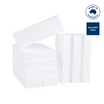
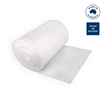
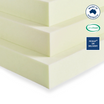
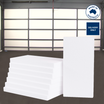

Imagine this. You are halfway through a construction job, you have just unpacked your insulation sheets and they are five centimetres too wide. Frustrating, right?
This is exactly why more Australian builders and DIY renovators are ordering custom-cut polystyrene panels. Instead of trimming standard insulation sheets on site, builders can order panels manufactured to their exact measurements. The result is faster installation, less material waste and a much cleaner finish across walls, roofs and slab applications.
What Makes Polystyrene Foam So Popular in Australian Construction?
Polystyrene foam has been a go-to insulation material on Australian building sites for decades and for good reason. It is lightweight, moisture-resistant, thermally efficient and durable once installed.
It plays a major role in improving energy efficiency. Effective insulation can reduce heating and cooling energy use in homes by up to 40 per cent, depending on design and climate conditions.
Other reasons builders choose it include:
- Excellent thermal insulation performance
- Lightweight and easy to handle on-site
- Strong moisture resistance
- Cost-effective compared to many alternative insulation materials
For many projects, ordering panels pre-cut to size removes the hassle of manual trimming while ensuring the insulation fits perfectly within wall cavities or roof spaces.
Why Builders Prefer Polystyrene Foam Cut To Size?
Construction projects rarely follow perfectly standard dimensions. Wall cavities, shed panels, roof spaces and garage doors often require insulation shaped to precise measurements rather than generic sheet sizes.
Ordering polystyrene foam cut to size provides several practical advantages:
- No time spent trimming sheets on site
- Reduced material waste and fewer offcuts
- Faster installation for builders and contractors
- A cleaner and more accurate finish
Instead of adapting insulation to fit the structure, the panels arrive ready to install, saving time from the moment the delivery lands on site.
What Is the Difference Between EPS and XPS?
Many builders are unsure about the difference between the two main types of polystyrene insulation:
Both materials offer strong insulation performance but are suited to slightly different applications.
|
Full Name |
Type |
Best Used For |
Key Strength |
Cut to Size |
|
Expanded Polystyrene |
EPS |
Walls, roofs, slabs, sheds |
Lightweight, cost-effective, good thermal insulation |
Available cut to size |
|
Extruded Polystyrene |
XPS |
Below-ground, garages, high-load areas |
Higher compressive strength, improved moisture resistance |
Customer cuts on site |
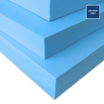
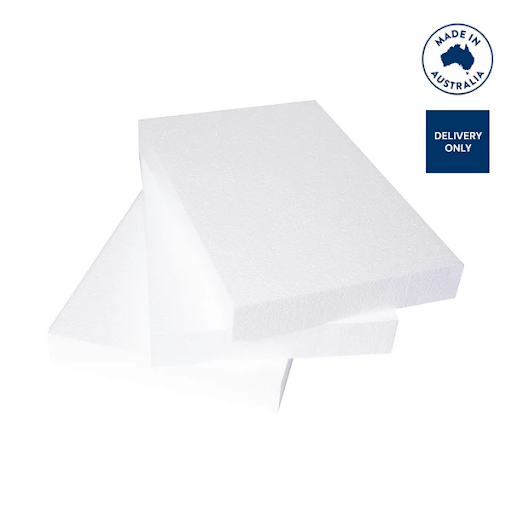
EPS panels are cut to your exact dimensions by The Foam Company. XPS is supplied in standard sheets, so customers will need to trim on site to suit their requirements.
Where Is Polystyrene Foam Used in Construction?
One of the biggest advantages of polystyrene insulation is its versatility. Builders across Australia use polystyrene foam for a wide range of applications.
Common uses include:
- Roof and ceiling insulation
- Wall cavity insulation
- Shed insulation
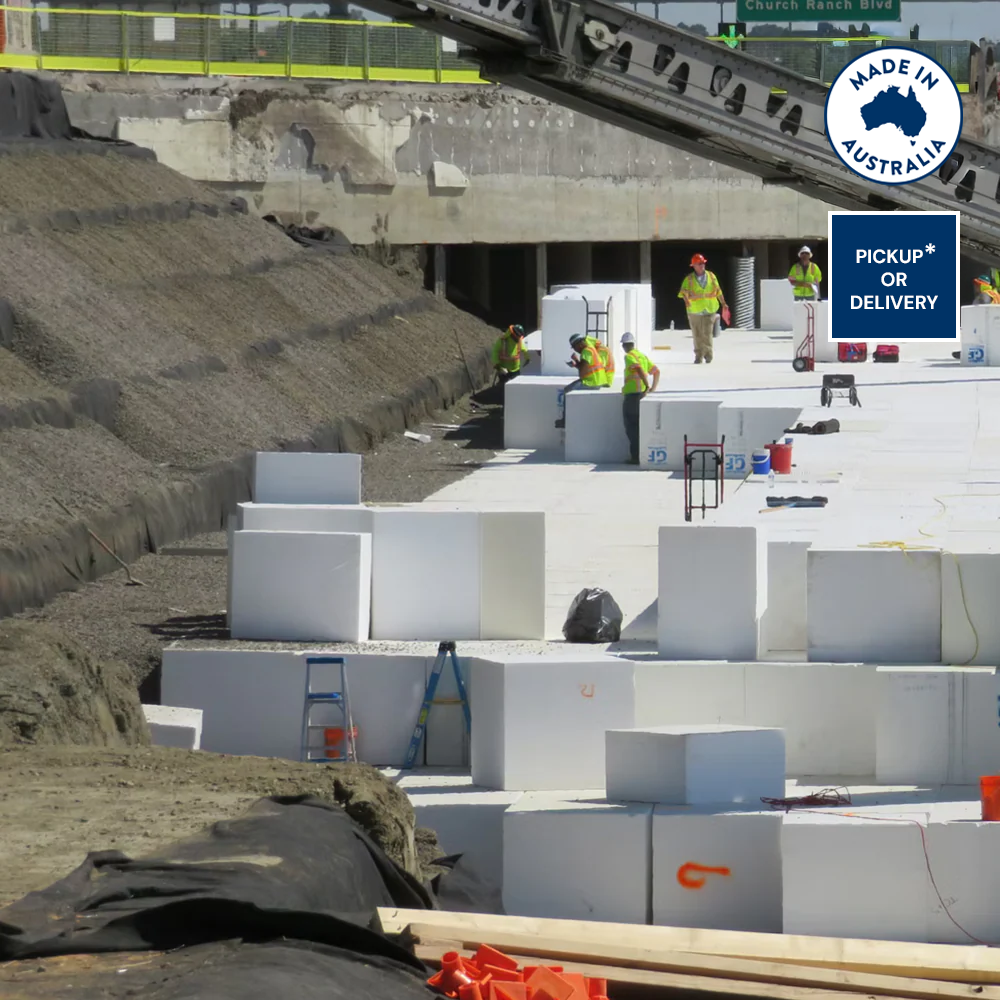
- Under-slab insulation
- Caravan and mobile builds
- Garage door insulation panels
Because the material is lightweight yet structurally stable, it is easy to install while still providing excellent thermal performance.
Final Thoughts
If you want cleaner installations, less material waste and faster construction timelines, ordering polystyrene foam panels cut to your specifications is a practical solution for modern building projects.
Rather than cutting standard sheets manually on site, builders can order insulation manufactured to their exact dimensions and delivered ready to install.
The Foam Company supplies 100 per cent Australian-made EPS insulation, as well as XPS boards, shipped directly from warehouses across Sydney, Melbourne, Brisbane, Perth, Adelaide and Hobart.
FAQs
Can I specify my own dimensions when ordering?
Yes. The Foam Company allows you to enter exact measurements when ordering EPS, so your insulation arrives ready to install without any cutting required. Please note that XPS is supplied in standard sheet sizes, customers will need to cut XPS panels on site to their required dimensions.
Which is better for wet or underground areas, EPS or XPS?
XPS is generally the better option for high-moisture environments or below-ground applications because it has a denser structure and stronger resistance to water absorption.
Is polystyrene foam safe for Australian residential construction?
Yes. High-quality polystyrene insulation from reputable Australian suppliers is widely used in compliant residential and commercial construction projects.
Does The Foam Company deliver to regional areas?
Yes. Orders are shipped Australia-wide from multiple warehouse locations, covering both metropolitan and regional areas.



Leave a comment
This site is protected by hCaptcha and the hCaptcha Privacy Policy and Terms of Service apply.