

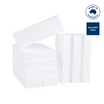
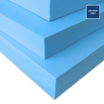
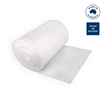
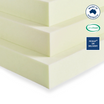

When it comes to improving the comfort and energy efficiency of your shed, insulation is essential. Whether your shed is used for storage, a workshop, or a hobby space, the right insulation can make a significant difference in temperature control, condensation prevention, and overall usability. In Australia, two of the most popular insulation options are Foilboard and Foam (EPS).
In this guide, we will compare Foilboard vs foam insulation for shed Australia, discuss various shed insulation options, and explain how the right insulation improves shed comfort and condensation control.
Understanding Shed Insulation in Australia
Insulating a shed helps protect it from extreme weather conditions while making it more comfortable to use. Australian sheds, especially those built from metal or timber, can become extremely hot in summer and very cold in winter. Proper insulation provides a thermal barrier that keeps the shed temperature stable.
The main benefits of shed insulation include:
- Temperature Regulation: Keeps the shed cool during summer and warm during winter.
- Condensation Control: Prevents moisture build-up and protects the structure from rust or mould.
- Energy Efficiency: Reduces the need for external cooling or heating.
- Noise Reduction: Limits noise from outside or from machinery used inside.
Among the many shed insulation options, both Foilboard and Foam (EPS) are popular choices because they are durable, easy to install, and suitable for Australian conditions.
What is Foilboard Insulation?
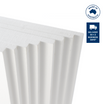
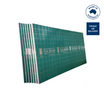
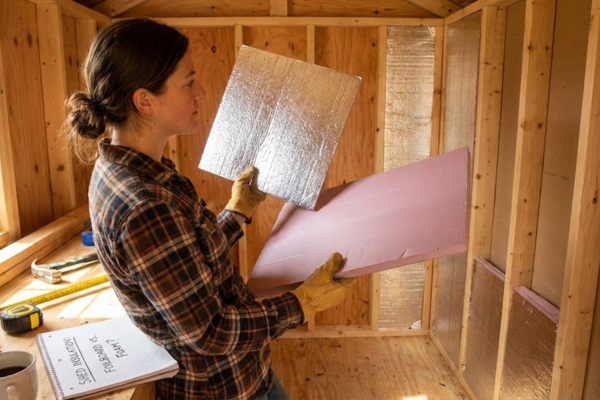
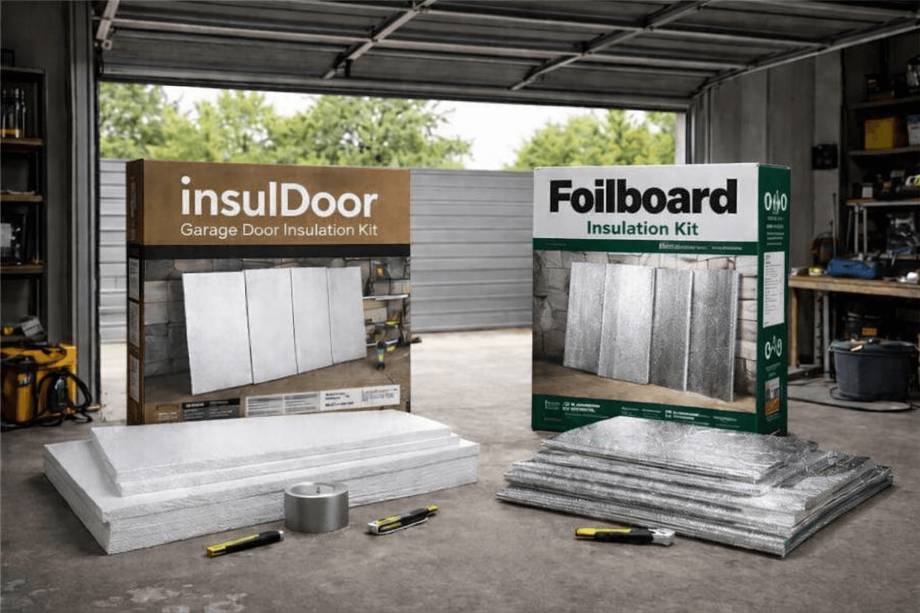
Foilboard is a rigid panel made from expanded polystyrene (EPS) with a reflective foil layer bonded to both sides. It provides a combination of bulk and reflective insulation that helps reduce heat transfer and radiant heat gain.
Key features of Foilboard insulation:
- Reflects up to 97% of radiant heat.
- Combines reflective and bulk insulation for improved performance.
- Moisture-resistant, helping to reduce condensation.
- Lightweight and simple to install, making it suitable for DIY projects.
- Durable and long-lasting under various weather conditions.
When installed with an air gap, Foilboard works efficiently to reflect radiant heat and improve energy efficiency.
What is Foam (EPS) Insulation?
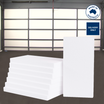
Expanded Polystyrene (EPS) foam insulation is another reliable and cost-effective choice for sheds. It is a lightweight, closed-cell material that provides excellent thermal insulation and moisture resistance.
Key features of Foam (EPS) insulation:
- Offers high R-values for superior thermal performance.
- Moisture-resistant, preventing dampness and mould.
- Easy to cut, fit, and install.
- Cost-effective and available in various thicknesses.
- Long-lasting and retains insulation performance over time.
EPS foam insulation helps maintain a stable internal temperature and effectively reduces heat transfer, making it suitable for both metal and timber sheds.
Foilboard vs Foam Insulation for Sheds
When choosing between Foilboard vs foam insulation for shed Australia, it is important to understand how each material performs in different conditions.
Thermal Performance:
Foilboard reflects radiant heat, making it ideal for hot climates and sheds exposed to direct sunlight. EPS foam provides strong bulk insulation, helping maintain comfortable temperatures throughout the year.
Condensation Control:
Foilboard has reflective foil layers that act as a vapor barrier, effectively reducing condensation. EPS foam also performs well due to its closed-cell structure that prevents moisture absorption.
Ease of Installation:
Both materials are lightweight and easy to work with. Foilboard needs an air gap for maximum reflectivity, while EPS foam can be installed directly onto shed walls and ceilings.
Durability:
Both options are durable and resistant to moisture and temperature changes, providing long-term performance.
Cost:
EPS foam insulation is usually more affordable. Foilboard may cost slightly more but offers added reflective benefits for radiant heat control.
In summary, Foilboard is best for sheds in hot regions with strong sun exposure, while EPS foam is a versatile option for year-round temperature management.
Condensation Control in Sheds
Condensation occurs when warm air inside the shed meets a cool surface, causing moisture droplets to form. Over time, this can lead to rust, mould, or damage to stored items.
Both Foilboard and EPS foam help manage condensation:
- Foilboard reduces radiant heat transfer, balancing temperature differences and lowering condensation risk.
- EPS foam prevents moisture penetration thanks to its closed-cell design, keeping surfaces dry.
Proper insulation ensures your shed remains moisture-free, extending its lifespan and protecting its contents.
How Insulation Improves Shed Comfort
A well-insulated shed provides a stable and comfortable environment throughout the year. Insulation helps maintain balanced temperatures, improve air quality, and minimise humidity.
Benefits of proper shed insulation:
- Creates a comfortable workspace all year round.
- Prevents heat loss during winter and heat gain during summer.
- Reduces outside noise for a quieter interior.
- Protects tools, equipment, and stored items from temperature extremes.
Both Foilboard and EPS insulation improve shed comfort, with Foilboard being especially effective in radiant heat control and EPS offering all-around temperature stability.
Choosing Between Foilboard and EPS for Your Shed
Here’s how to determine which insulation is best for your shed:
Choose Foilboard insulation if:
- You live in a hot, sunny area.
- Your shed has a metal roof or walls.
- You want maximum radiant heat reflection and condensation protection.
Choose Foam (EPS) insulation if:
- You want affordable, efficient insulation for all seasons.
- You have a timber or mixed-material shed.
- You need reliable thermal resistance and moisture protection.
Both are excellent choices that enhance shed comfort, durability, and efficiency.
Installation Tips for DIY Shed Owners
For DIY shed owners, both Foilboard and EPS insulation are easy to install. Here are a few practical tips:
- Measure accurately before cutting insulation panels.
- Seal gaps using foam adhesive or sealant to prevent air leakage.
- Leave an air gap when installing Foilboard for improved reflectivity.
- Use the right fixings for your wall and ceiling materials.
- Avoid compression to maintain insulation effectiveness.
For a complete range of insulation solutions, check out The Foam Company’s Shed Insulation Collection.
Where to Buy Quality Shed Insulation
If you are planning to insulate your shed, explore premium insulation products at The Foam Company. The Foam Company offers a wide selection of insulation materials, including Foilboard and EPS foam, specifically designed for Australian sheds and garages.
You can also enhance your project with the InsulDoor Garage Door Insulation Kit, which can be custom-cut to suit your door size for optimal energy efficiency.
For expert advice or product recommendations, feel free to contact The Foam Company for professional support and guidance.
Conclusion
Choosing between Foilboard vs foam insulation for shed Australia depends on your shed’s design, location, and budget. Foilboard is perfect for sheds exposed to strong sunlight and radiant heat, while EPS foam is an excellent all-round option that offers affordability and consistent thermal performance.
Both insulation materials provide excellent shed comfort and condensation control, ensuring your shed stays dry, energy-efficient, and comfortable year-round.
To find high-quality insulation materials, visit The Foam Company, browse the Shed Insulation Collection, or check out the InsulDoor Garage Door Insulation Kit. For expert advice, you can always contact The Foam Company for guidance on the best insulation for your shed.
FAQs
1. What is the main difference between Foilboard and EPS insulation?
Foilboard has an EPS core with reflective foil layers that deflect radiant heat, while EPS foam provides bulk insulation that resists heat flow in all climates.
2. Which insulation type helps more with condensation?
Foilboard offers excellent condensation control for metal sheds, while EPS foam also performs well due to its moisture-resistant closed-cell design.
3. Can I install Foilboard or EPS insulation myself?
Yes. Both materials are lightweight, easy to cut, and simple to install with basic tools.
4. Which option is more affordable?
EPS foam insulation is typically more cost-effective while still providing excellent insulation performance.
5. Does shed insulation reduce noise?
Yes. Both Foilboard and EPS foam insulation help reduce noise transmission, creating a quieter and more comfortable environment inside your shed.




Leave a comment
This site is protected by hCaptcha and the hCaptcha Privacy Policy and Terms of Service apply.