

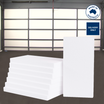



Daily use places constant pressure on furniture cushions, and the wrong foam loses its shape long before the fabric wears out. Choosing upholstery foam depends on balancing density, firmness and how the furniture will be used. This guide from The Foam Company explains how different foam grades influence comfort, support and long-term durability. Understanding those differences makes it easier to select foam that matches the way your furniture is used.
A seat that feels comfortable when it is new does not necessarily remain comfortable after months or years of use. Every time you sit down, the foam compresses before returning to its original shape. That repeated compression gradually changes the structure of the material, making foam selection one of the most important decisions when replacing cushions or ordering new furniture. If you are looking for upholstery foam, choosing the correct grade from the beginning avoids premature wear and unnecessary cushion replacement.
Density Versus Firmness
Two pieces of foam can feel completely different even when they appear identical. That is because firmness and density measure different characteristics.
Density refers to how much material exists within the foam. Higher-density foams generally contain more polyurethane material, making them more resistant to long-term compression and improving durability. Firmness describes how much force is required to compress the foam when you sit on it.
A soft, high-density foam remains comfortable while resisting permanent compression far better than a low-density alternative. By comparison, low-density products feel comfortable initially but lose resilience more quickly, allowing cushions to flatten and increasing the likelihood of sagging.
When comparing high density upholstery foam or high density foam for upholstery, understanding this distinction prevents selecting foam based solely on how it feels in the showroom.
Matching Foam to Furniture Use
The way furniture is used has a direct impact on the foam that performs best. A decorative window seat used occasionally has very different requirements from a lounge that supports a family every evening.
For residential furniture, foam selection commonly depends on:
- Daily seating frequency.
- Expected comfort level.
- Cushion thickness.
- User weight.
- Expected service life.
These practical factors influence the ideal foam density for seat cushions far more than appearance alone.
A dining chair, for example, benefits from firmer support because occupants sit more upright. A lounge cushion generally performs better with a balance of support and comfort that allows the foam to recover after repeated loading rather than remaining permanently compressed.
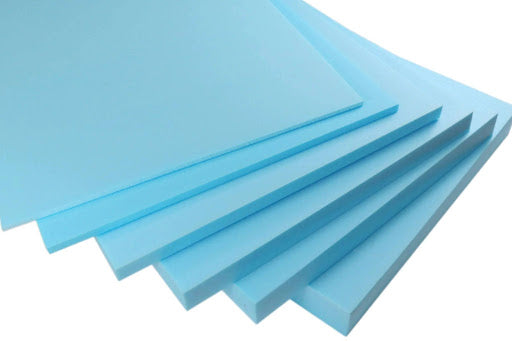
Our team at The Foam Company cuts flexible polyurethane foam to your required dimensions, allowing replacement cushions to fit existing furniture rather than forcing you to modify the furniture itself. Our range includes economical grades through to premium flexible foams in both soft and firm options, with custom cut-to-size services available across Australia.
Choosing Foam for Sofa and Seat Cushions
Replacing foam without considering how the furniture is used rarely delivers a lasting result. A sofa used every day benefits from a different specification than occasional seating in a guest room.
The best foam for seat cushions generally combines sufficient density for long-term resilience with a firmness suited to the furniture design. Likewise, the best upholstery foam for sofa cushions balances comfort with structural support so the cushion maintains its appearance through thousands of compression cycles.
If your existing lounge has flattened, replacing only the fabric rarely restores comfort. Installing quality replacement foam for couch cushions returns support to the furniture because the foam, rather than the upholstery fabric, carries most of the seating load.
Matching Foam Thickness to Cushion Design
Foam thickness works together with density and firmness to determine how a cushion performs. Selecting thicker foam does not automatically produce greater comfort if the foam grade cannot adequately support the load placed on it.
A thin dining chair cushion generally requires firmer foam because there is less material available to distribute body weight. Deeper lounge cushions have more flexibility, allowing different density and firmness combinations depending on the seating style you prefer. Selecting the appropriate seat cushion foam therefore involves looking at the complete cushion design instead of a single measurement.
If you intend to buy upholstery foam, measuring the existing cushion accurately before ordering also reduces the likelihood of loose-fitting covers or compressed corners after installation.
Why Cut-to-Size Foam Delivers Better Results
Standard foam sheets rarely match the dimensions of existing furniture exactly. Even small differences in length, width or thickness affect how the cushion fills the cover and how evenly the load is distributed during use.
We cut foam for upholstery to your required dimensions, whether you need a single replacement cushion or multiple pieces for a larger furniture project. Our range includes flexible polyurethane foams from economical grades through to premium, long-lasting options in soft and firm hardnesses, allowing you to select a product suited to your furniture and expected level of use. We also supply Australia-wide from our distribution network, making replacement foam accessible for both residential and commercial projects.
Selecting quality foam from the outset reduces repeated replacements, improves long-term seating comfort and allows existing furniture to continue performing well without replacing the entire suite.
Browse our upholstery foam cut-to-size range at The Foam Company.





Leave a comment
This site is protected by hCaptcha and the hCaptcha Privacy Policy and Terms of Service apply.