

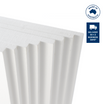
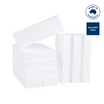
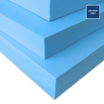
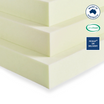
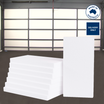
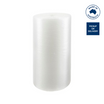
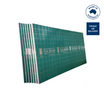



Heat loss, freight damage and difficult material handling can create direct cost pressure once your construction or packaging project moves into production, transport or installation stages. The foam material you select affects thermal resistance, moisture handling, impact protection and installation time under real Australian site conditions. Incorrect density, poor cutting accuracy or unsuitable moisture resistance can create waste, damaged stock or inconsistent insulation coverage during the job itself. The Foam Company supplies construction foam sheets and EPS polystyrene sheets across Australia for insulation, packaging and industrial applications.
- Moisture exposure changes how EPS and XPS insulation products perform on site.
- Foam density affects lifting weight, compression resistance and packaging protection.
- Incorrectly sized insulation sheets create cutting waste and slower installation times.
- Packaging foam selection affects freight damage during transport and warehouse handling.
If your project involves underfloor insulation, concrete formwork, freight packaging or wall insulation, the foam selection affects more than material cost alone. A sheet that absorbs moisture under flooring can reduce thermal performance once the building is occupied. Packaging foam that compresses too easily during transport can leave fragile products exposed to vibration damage between warehouses and delivery points. Cutting accuracy also affects labour time because repeated trimming on site slows installation and creates unnecessary offcuts across large commercial jobs.
Beyond thermal performance and packaging protection, selecting the right foam solution can also improve installation efficiency and long-term comfort. At The Foam Company, we supply custom-cut construction foam sheets and insulation products designed for Australian conditions, helping builders, contractors and DIY customers reduce waste, simplify installation and achieve more consistent results across residential, commercial and industrial projects.
How EPS and XPS Foam Sheets Affect Insulation Performance
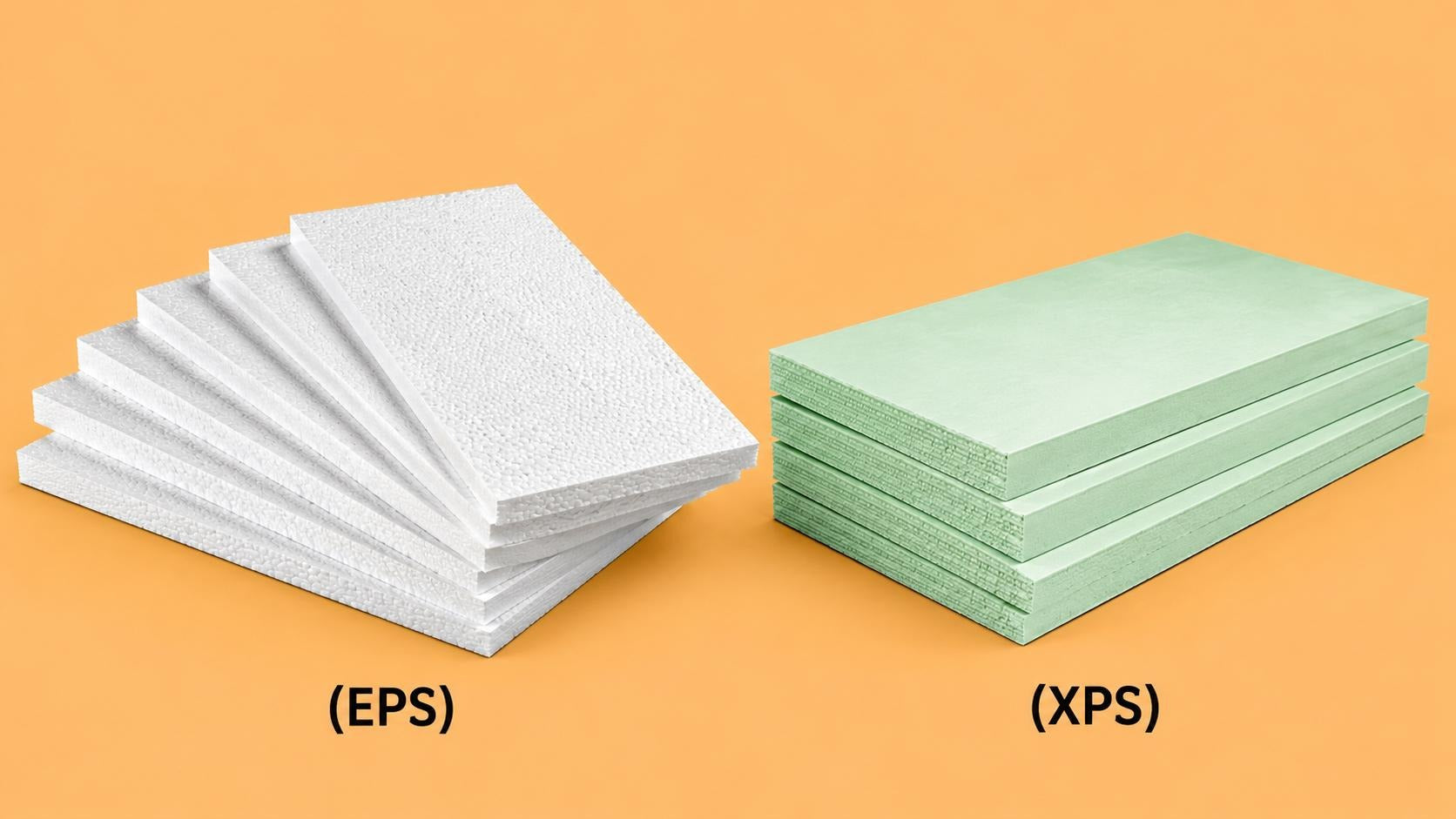
If your insulation sits against damp concrete, exposed flooring systems or moisture-prone areas, the foam density and cell structure affect how consistently the material performs after installation. EPS polystyrene sheets remain lightweight and easier to handle across wall insulation, roof insulation, packaging and void formwork applications. XPS insulation boards use a denser closed-cell structure that resists moisture more effectively where waterproofing and underfloor exposure create harsher installation conditions.
When you need faster handling, easier trimming and lightweight installation across large sheet quantities, EPS insulation panels reduce lifting strain and simplify cutting during fitting. If moisture exposure creates the larger concern on your project, XPS insulation generally maintains more stable performance in those conditions.
At The Foam Company, we supply closed-cell EPS products that maintain thermal resistance because trapped air remains contained within the cellular structure itself. The Australian Government’s Your Home guidance also notes that insulation gaps, compression and moisture exposure reduce real-world thermal performance once installation conditions change on site.
Alongside thermal performance, many customers also value the noise reduction benefits of closed-cell foam insulation, which can help reduce the transfer of airborne sound and vibration through floors, walls and garage spaces.
Several installation conditions affect which foam product performs better:
- Underfloor insulation exposed to moisture generally requires denser XPS insulation boards.
- Lightweight void formwork and temporary blockouts suit EPS because handling remains easier during installation.
- Architectural profiles and signage applications require foam sheets that cut accurately without edge breakdown.
- Freight packaging applications depend heavily on compression resistance and impact absorption.
Packaging Foam Selection Changes Freight Protection
If your products move through long-distance freight routes, internal carton movement usually creates more damage than external impact. Fragile stock shifts during loading, warehouse stacking and vehicle movement. Once vibration transfers through the packaging cavity, corners crack, surfaces mark and unsupported sections absorb repeated pressure during transport.
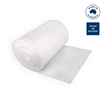
Industrial packaging foam made from expanded polyethylene handles repeated movement differently from rigid EPS packaging. Polyethylene foam rolls compress under pressure and rebound after movement, making them useful for edge protection, surface wrapping and cushioning applications where flexibility matters during handling and transport. Closed-cell EPE foam also resists moisture absorption during warehouse storage and freight movement.
Rigid EPS packaging performs differently because the foam distributes impact across formed cavities and structured shapes. If your products require fixed spacing, corner support or compression resistance around electronics and appliances, rigid EPS packaging generally maintains shape more effectively than softer foam wrapping materials.
Custom-Cut Foam Sheets Reduce Installation Delays
If you are repeatedly trimming large insulation sheets on site, your labour time and costs will increase very quickly across commercial quantities. Incorrect sizing creates uneven joins, wasted material and repeated measuring during your installations while dust and breakage will spike when your crew reshapes foam sheets manually for large flooring, roofing or packaging runs.
Our custom cut foam sheets are ideal for insulation, packaging, signage, formwork and industrial applications across Australia. Pre-cut dimensions allow you to work from prepared measurements rather than reshaping sheets repeatedly during fitting.
At The Foam Company, we supply custom-cut foam sheets tailored to project requirements, helping builders, manufacturers and DIY customers reduce onsite trimming, minimise waste and speed up installation.
This changes several practical conditions during installation and freight preparation:
- Installers spend less time trimming insulation panels during fitting.
- Freight packaging fits more consistently around product dimensions.
- Commercial projects reduce offcut waste during repetitive installations.
- Complex profiles maintain more consistent dimensions across production batches.
Foam weight also changes handling conditions before installation even starts. Lightweight EPS sheets reduce lifting strain during transport and movement across site access points, while denser products may suit applications where compressive strength matters more than handling weight.
Choosing custom-cut foam sheets also helps eliminate many of the challenges associated with standard sheet sizing. Instead of spending valuable time measuring, trimming and reshaping materials on site, installers can work with foam products prepared to project specifications before delivery.
Key benefits of choosing custom-cut foam sheets from The Foam Company include:
- Custom-cut sizing tailored to project requirements.
- Faster installation with reduced labour time.
- Lightweight EPS construction for easier handling and transport.
- Less material waste and fewer offcuts.
- Consistent dimensions across large production runs.
- Australia-wide delivery to support projects in metropolitan and regional locations.
These advantages help contractors, builders and project managers maintain schedules while reducing handling costs and installation delays.
Why Choose The Foam Company?
Whether you need insulation, protective packaging, void formwork or custom-cut foam components, The Foam Company supplies construction foam sheets designed for Australian conditions. Our lightweight EPS solutions are available in custom sizes, easy to handle and delivered Australia-wide to help reduce installation time, minimise waste and improve project efficiency.
Contact The Foam Company today to discuss your project requirements and find the right construction foam sheet solution for insulation, packaging and industrial applications.
FAQs
What are EPS polystyrene sheets used for in construction and packaging?
EPS polystyrene sheets are used for insulation, void formwork, protective packaging and lightweight construction applications where thermal resistance and impact absorption matter.
Where can I buy XPS insulation boards in Australia?
XPS insulation boards in Australia are available through suppliers distributing insulation products for residential, commercial and industrial applications.
What is the difference between EPS and XPS foam sheets for insulation?
The difference between EPS and XPS insulation sheets comes from density and moisture resistance. XPS generally performs better in damp installation conditions.
Can polyethylene foam be used for industrial packaging protection?
Polyethylene foam rolls work well for industrial packaging protection because the closed-cell foam absorbs vibration and reduces surface impact during freight handling.
Do foam sheets from suppliers come in custom cut sizes for projects?
Many suppliers provide custom cut foam sheets prepared around supplied measurements for insulation, packaging and construction applications.





Leave a comment
This site is protected by hCaptcha and the hCaptcha Privacy Policy and Terms of Service apply.