

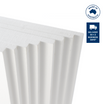
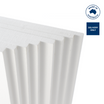
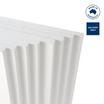
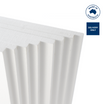

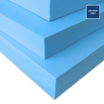
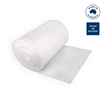
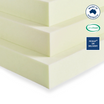

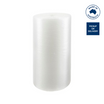


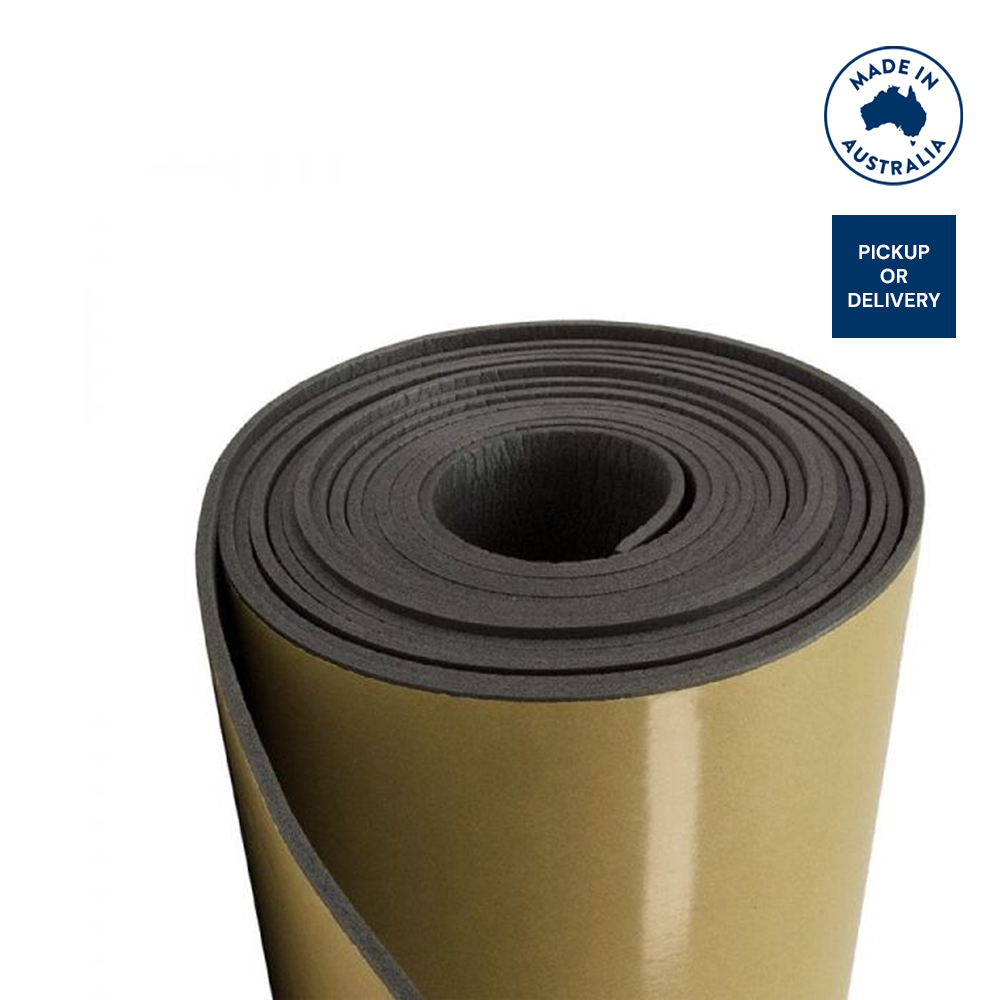
A protective insert used for one shipment faces different demands from padding compressed repeatedly during service. In an EPE vs XPE foam comparison, manufacturing method is relevant, but the finished grade determines how the material performs. Insufficient recovery compromises the component’s function, while specifying unnecessary properties increases material costs. When choosing polyethylene foam from The Foam Company, the available grades should be assessed against the application’s actual requirements.
A foam insert is compressed to fit around a product, then subjected to impact and vibration during freight. If it permanently deforms, the resulting clearance allows the product to move inside its packaging and reduces the insert’s effectiveness at shock absorption. When comparing EPE vs XPE foam, the relevant specification therefore includes the amount of compression the insert will experience and the protection it must maintain throughout transport. We supply polyethylene foam sheets and rolls at The Foam Company, including EPE and IXPE products for different applications.
How Manufacturing Changes Polyethylene Foam
The difference between EPE and XPE foam begins with their manufacturing processes. EPE foam is expanded polyethylene foam produced without chemically linking the polymer chains into a permanent network. Its lightweight, closed-cell structure provides cushioning that helps protect products from handling impacts and keeps adjacent surfaces separated.
- XPE foam commonly refers to chemically cross-linked polyethylene foam. Cross-linking creates connections between polymer chains, changing how the material responds to deformation and processing.
- IXPE foam foam refers to irradiation cross-linked polyethylene foam. This process can produce a fine, consistent cell structure, although the finished properties depend on the product grade and formulation.
EPE, XPE and IXPE are all types of polyethylene foam, although supplier terminology can overlap. Our IXPE rolls, for example, are also described as XPE or XLPE. When comparing products, the specified grade and documented properties are therefore more important than the name alone.
Compression and Recovery
When foam is compressed, its cellular structure deforms under the applied load. Once that load is removed, the material needs to recover enough thickness to continue performing its intended function. Resilience and resistance to permanent deformation are therefore important where a component must maintain contact or support through repeated compression.
Compression set measures how much thickness remains lost after a material has been compressed and allowed to recover under specified test conditions. A high compression set is problematic where a seal, spacer or pad must maintain contact after repeated loading.
Density describes mass per unit volume; it does not establish compression performance on its own. Thickness, formulation and the amount of compression also affect the result. ASTM International's D3575 standard identifies test methods for flexible cellular materials made from olefin polymers, including procedures relevant to compression behaviour. Compare test results obtained under equivalent conditions rather than assuming a higher-density foam will automatically recover better.
EPE vs XPE Foam and IXPE in Practice
When comparing EPE vs XPE foam or IXPE foam, consider the requirements of the finished application. Surface finish, thickness tolerance, resilience and recovery performance can all influence which polyethylene foam grade is suitable.
XPE and IXPE terminology can vary between suppliers. Where XPE refers specifically to chemically cross-linked polyethylene foam, its manufacturing process differs from irradiation cross-linked IXPE. However, one manufacturing method should not automatically be considered better for every application.
In automotive components, for example, a foam layer may need to fit accurately beneath a lining and withstand repeated contact. An insulation product has additional requirements relating to thermal performance and installation conditions. Actual product data determines suitability for either application.
Matching the Specification to the Application
If you are asking, "Which polyethylene foam should I use?", the answer depends on the work the material performs:
- For single-use packaging, specify enough impact protection and thickness to protect the product without paying for unnecessary recovery performance.
- For repeated compression, compare compression-set results and recovery at the expected load.
- For lamination or precise fitting, check surface finish and dimensional tolerances.
- For thermal applications, verify the stated insulation properties and operating conditions.
Our EPE Polyfoam rolls are suited to protective wrapping, cushioning and surface protection, while our IXPE products are used for applications including thermal barriers, insulation, gap filling and concrete expansion joints. We also offer custom cutting for suitable sheets and rolls.
When requesting a suitable grade, provide the required dimensions, intended application, expected compression or loading and any relevant exposure conditions. An unnecessarily demanding specification increases material cost without improving the result where those properties are unused.
Need help comparing EPE vs XPE foam? Contact The Foam Company to discuss the right polyethylene foam for your application.





Leave a comment
This site is protected by hCaptcha and the hCaptcha Privacy Policy and Terms of Service apply.