


Most people notice it straight away. A room can look beautifully finished and still feel draining to sit in, even when no one can quite say why. In many cases, it comes down to sound bouncing around the space.
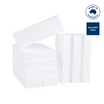
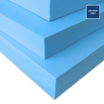
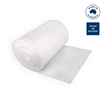
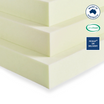
The Foam Company supplies soundproof panels across Australia for spaces that need calmer acoustics, clearer speech and better day-to-day comfort. This article:
- Helps reduce echo in rooms used for calls, work and media.
- Suits homes, offices, studios and shared commercial areas.
- Supports clearer conversation and a less fatiguing room sound.
- Available Australia-wide from The Foam Company.
Homes and workplaces with hard surfaces tend to experience the same problem. Sound hits hard surfaces like plasterboard, glass and concrete, then reflects straight back into the room. That bounce is what makes a space feel sharp, hollow or distracting.
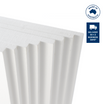
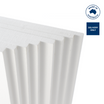
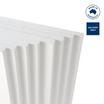
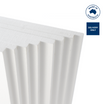
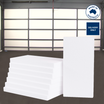
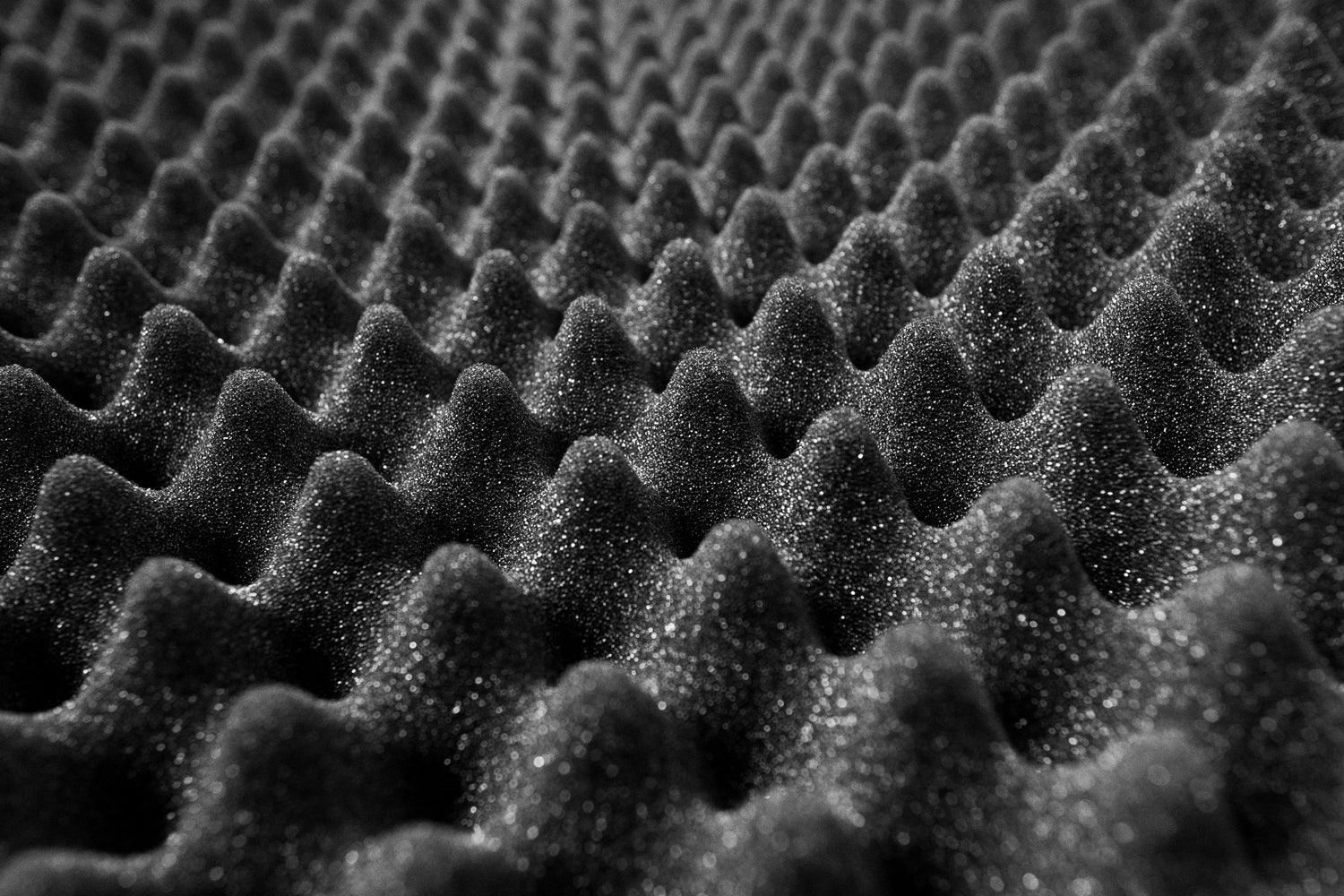
Foam sound-absorbing panels absorb part of that reflected sound, which reduces echo and settles the room. The result is a space that feels easier to work in and more comfortable to use over longer periods. The Foam Company’s acoustic range uses open-cell polyurethane foam designed to manage reverberation in home theatres, studios and shared living areas.
How Acoustic Panels Change the Way a Room Sounds
In most everyday settings, acoustic panels improve what happens inside the room rather than blocking all sound from passing through walls. They absorb reflected sound, which reduces echo and speech smear. That is why they work well in home offices, podcast rooms and meeting spaces where clarity matters.
The NCC draws the same line. Sound insulation between building areas depends on the construction system itself. That includes the wall, floor and how the space is built, particularly in apartments and attached dwellings.
How Soundproof Panels Earn Their Keep
The impact becomes clear in rooms used for communication and focus. Speech becomes easier to follow and the room feels more comfortable to be in.
- A home office with too much reflection can make calls tiring.
- Meeting rooms often sound cluttered even at normal speaking levels.
- In music rooms, heavy reflection makes playback harder to judge.
Noise reduction panels reduce that internal bounce so speech lands more cleanly, background noise fades and the room becomes easier to use day to day. The Foam Company’s range is designed for residential, commercial and industrial use where sound absorption directly improves usability.
Noise also affects how people function across a full workday. In offices, the issue is often not volume but the constant strain of noise reflections and unclear speech. Safe Work Australia also notes that ongoing noise can affect concentration and productivity.
Choosing the Right Product for the Problem
The right solution depends on what the room is doing and where the noise problem sits.
- Acoustic foam panels are typically used when echo and reverberation affect speech clarity.
- Studio acoustic insulation products suit recording and playback, where tighter control is needed.
- Wall soundproofing materials form part of construction when sound travels through walls or floors.
This distinction matters in Australian apartments. If the issue is a room that sounds harsh or reflective, acoustic panels will help. If the issue is noise passing between units, surface treatment alone will not solve it because compliance sits with the building structure.
DIY installation can reduce some echo, but it rarely delivers a complete result. Professional planning produces a cleaner acoustic outcome and a better return on investment.
Professional input becomes more useful when room shapes are complex, multiple surfaces are involved or sound is travelling through walls, ceilings or floors. In those cases, better results come from working out where the noise is actually coming from before placing panels. That is usually the difference between a room that looks treated and one that actually sounds right.
FAQs on Soundproof Panels
Q: How do soundproof panels reduce noise in homes and offices?
A: They reduce reflected sound inside the room by absorbing echo and reverberation. This makes speech clearer and reduces the sharpness of everyday noise, so the space feels less tiring to be in.
Q: Which type of soundproof panels is best for Australian apartments?
A: For echo inside the room, acoustic foam panels are often suitable. For noise travelling between apartments, the wall or floor construction matters more than surface panels alone.
Q: Can soundproof panels improve productivity in workspaces?
A: Yes. By reducing reflection and softening background noise, they make conversations easier to follow and help reduce the mental strain that comes from working in a noisy environment.
Q: How much do soundproof panels cost in Australia?
A: Cost depends on panel type, room size, quantity and whether the solution is limited to surface treatment or part of a broader acoustic plan.
Q: Are DIY soundproof panels effective compared to professional installation?
A: DIY can reduce some echo, but results are usually limited. Professional planning produces a more complete acoustic result and typically delivers better value for the spend.
If your space feels more draining than it should, fix it with The Foam Company’s soundproof panels.





Leave a comment
This site is protected by hCaptcha and the hCaptcha Privacy Policy and Terms of Service apply.