

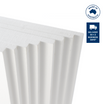
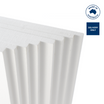
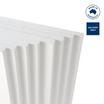
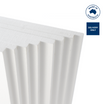
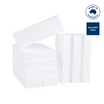
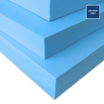
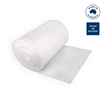
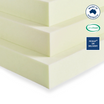

Families living near the coast or dealing with extreme heat know how quickly indoor comfort melts into discomfort when insulation cannot handle the conditions. The Foam Company supplies foilboard insulation for Australian homes that need to manage heat, moisture and long-term durability without constant maintenance. This article:
- Supports better thermal control in demanding climates.
- Helps manage moisture and indoor comfort year-round.
- Works across walls, ceilings and underfloor systems.
- Suitable for new builds and retrofit projects.
Homes near the coast and in extreme climates tend to show the same pattern. Rooms heat up fast during the day, then lose warmth just as quickly when temperatures drop. Heating and cooling systems run longer than they should and energy costs follow that pattern. This is because the heat is moving through the roof, walls and floors where the insulation is not able to do the work.
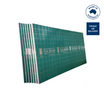
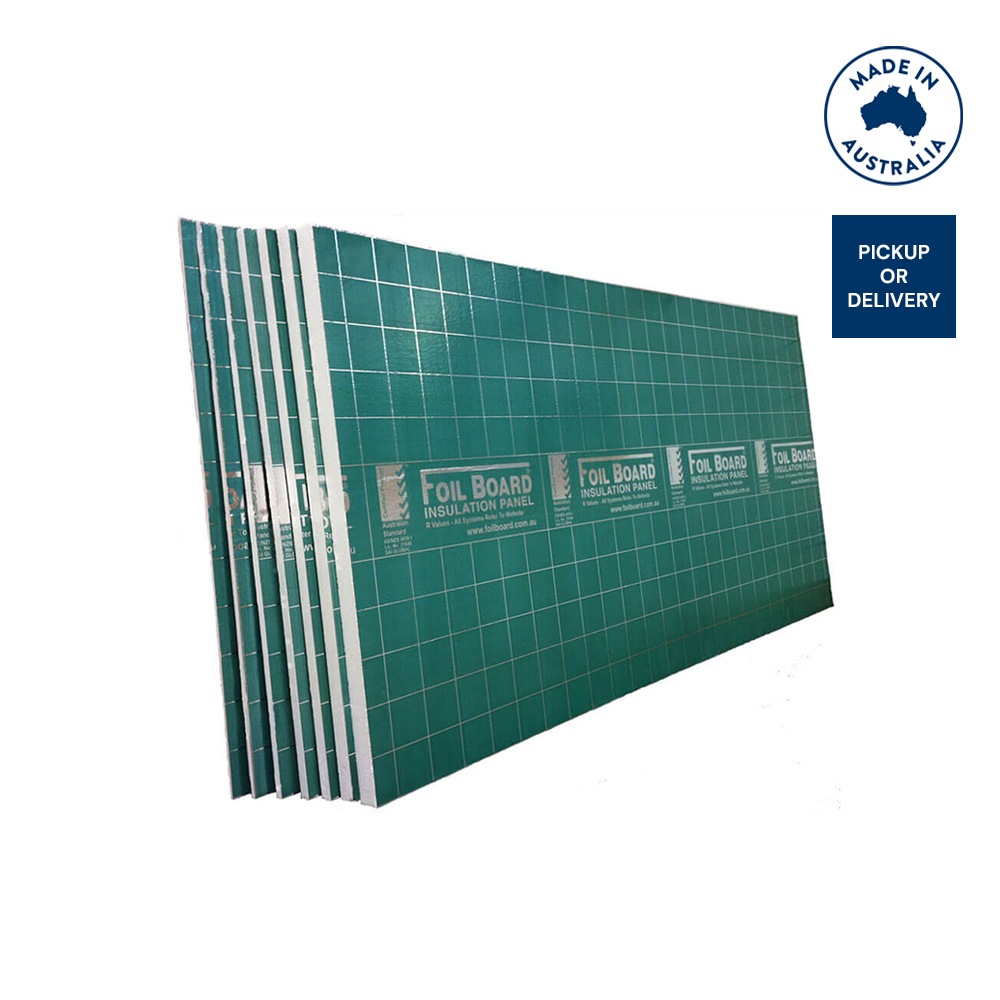
That is where Foilboard insulation starts to make a real difference. The aluminium foil surface reflects radiant heat before it enters the structure and the rigid core slows heat moving through the building elements. Together, that reduces how much outside temperature shifts affect the inside of the home and helps keep indoor conditions more stable.
How Foilboard Insulation Works in Real Conditions
Foilboard insulation primarily addresses radiant heat, which is a major load in Australian conditions. The foil surface reflects heat before it enters the building envelope, while the EPS core slows conductive heat moving through the structure.
This makes it particularly effective in roof spaces and external walls exposed to direct solar gain. In these applications, it reduces heat load at the source and helps stabilise internal temperatures.
It is not always the default choice. Where radiant heat is less of a factor, such as under slabs or below ground, EPS or XPS sheets are often more appropriate due to their compressive strength and moisture resistance. The selection comes down to how heat is moving through the structure and what needs to be controlled.
Managing Moisture in Coastal Conditions
Coastal environments add moisture into the equation. Humid air moves through cavities, and once moisture settles inside a wall or roof system, performance drops and materials can begin to degrade. Foil-faced insulation sheets help limit that exposure by resisting moisture absorption and acting as a barrier within the structure.
Installation still needs to be done correctly. The National Construction Code highlights the need to manage condensation inside walls and roofs, which means insulation must be positioned to allow controlled airflow and moisture movement.
Combining Insulation Materials Improves Performance
Most builds benefit from combining materials. Reflective insulation panels deal with radiant heat, while rigid foam products, such as EPS and XPS sheets, help slow heat moving through the structure itself. Used together, they reduce heat movement across more than one pathway, which improves overall performance and reduces pressure on heating and cooling systems.
The Australian Government’s YourHome guide reinforces this. Reflective foil insulation must be positioned correctly within the building system to perform effectively across different Australian climate zones.
If you compare foilboard as part of a layered insulation system, the difference shows up in day-to-day performance:
- It provides radiant barrier insulation, helping reflect heat away from the structure.
- It stays rigid, maintaining full coverage over time.
- It adds a thermal break and moisture resistance in one layer.
- It installs quickly across walls, ceilings and suspended floors.
- It supports projects using energy-efficient building materials where reducing ongoing energy use matters.
Performance Across Different Australian Climates
Inland homes deal with a different pressure. Heat builds during the day and escapes quickly at night. Insulation needs to reduce both movement directions to stabilise indoor conditions. Foilboard helps limit that swing so heating and cooling systems do not need to work as hard, keeping indoor temperatures more consistent across changing conditions.
In practical applications, ceiling installs help reduce heat load during the day. Underfloor systems reduce cold coming through in winter, and wall systems help maintain a more stable internal temperature.
Through our Australia-wide supply network, we service residential, commercial and industrial projects. We’ll help you choose the right product for the job so the building performs properly from the start.
Foilboard Insulation FAQs
Q: Can foilboard insulation be used in walls and ceilings?
A: Can foilboard insulation be used in walls and ceilings? Yes, it is suitable for walls, ceilings, floors and roofs when installed correctly within the building system.
Q: What are the benefits of foilboard insulation compared to batts?
A: What are the benefits of foilboard insulation compared to batts? It stays rigid, adds a reflective layer and works alongside batts to improve overall thermal performance.
Q: Is foilboard insulation suitable for hot or humid climates?
A: Is foilboard insulation suitable for hot or humid climates? Yes, it performs well in hot and humid climates when installed with proper condensation management.
Q: How long does foilboard insulation last in residential construction?
A: How long does foilboard insulation last in residential construction? It is designed to maintain thermal performance for the life of the building when installed correctly.
Talk to The Foam Company about the right foilboard insulation for your build.





Leave a comment
This site is protected by hCaptcha and the hCaptcha Privacy Policy and Terms of Service apply.