






A compression load, thermal requirement or moisture condition determines which foam structure belongs in the application. Material density, cell geometry and air movement influence the way open-cell vs closed-cell foam performs under load. The consequence appears in cushioning, insulation, vibration control and service life. When you compare The Foam Company range options against a foam density for impact protection requirement, the cell structure becomes a measurable design factor rather than a material preference.
A cushioning insert, insulation panel or vibration-control layer performs according to its internal cell structure. The difference between open-cell foam and closed-cell foam is not cosmetic; it affects compression resistance, moisture absorption, thermal conductivity and energy dissipation. If your project involves packaging, insulation, marine use, construction or equipment protection, the cellular structure determines how the material responds when force, temperature or moisture are applied.
Cell Structure and Material Behaviour
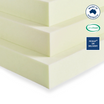
Microscopic cell geometry controls the physical properties of foam. In an open-cell structure, the walls between neighbouring cells are partially broken. Air moves through interconnected voids, creating a softer and more compressible material. Flexible polyurethane foam products commonly use this structure.
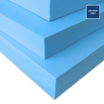
Closed-cell materials contain individual sealed pockets of gas surrounded by intact cell walls. The trapped gas contributes to higher rigidity, lower water absorption and stronger compressive strength. Many grades of polyethylene foam, including EPE, IXPE and EVA products that are stocked by us, use a closed-cell structure.
The physical difference influences measurable properties such as:
- Compression set resistance.
- Water absorption rate.
- Thermal conductivity.
- Density and load-bearing capacity.
- Impact energy absorption.
- Vibration transmission.
The result is a material that behaves differently under the same operating conditions.
Open-Cell Foam and Energy Dissipation
Repeated compression places mechanical stress into a foam structure. Open-cell materials distribute that force through interconnected air chambers, causing the material to deform more easily and absorb energy across a larger volume.
That characteristic makes open-cell foam for cushioning suitable for furniture, acoustic panels, mattress applications and selected protective packaging applications involving lighter loads. Flexible PU grades, also under The Foam Company brand, provide cushioning through controlled compression rather than structural rigidity.
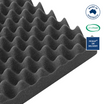
Acoustic performance follows the same mechanism. Sound waves enter the interconnected cell network where friction converts a portion of the acoustic energy into heat. The result is reduced reverberation and echo, which explains the widespread use of open-cell polyurethane products in sound control applications.
Closed-Cell Foam and Structural Performance
Water exposure, thermal control and higher compressive loads place different demands on foam. Under those conditions, a closed-cell structure retains its shape more effectively because the individual cells remain sealed and resist collapse.
When comparing PE foam vs PU foam, polyethylene products generally demonstrate lower moisture absorption and higher compressive strength. According to the U.S. Department of Energy's insulation guidance, trapped gas within closed-cell materials contributes to lower thermal conductivity and improved resistance to heat transfer. That mechanism explains the popularity of closed-cell foam for insulation applications in buildings, caravans and industrial equipment.
The Foam Company stocks EPE, IXPE, EVA, EPS and XPS products that utilise closed-cell structures for applications where moisture resistance, dimensional stability and thermal performance remain important.
Packaging Applications and Impact Protection
An impact event transfers kinetic energy into the protective material. The foam must absorb, distribute or resist that force without allowing damaging acceleration to reach the product.
The difference between open-cell and closed-cell foam becomes particularly important when packaging fragile goods.
Open-cell polyurethane cushioning performs well when delicate products require softer contact surfaces and vibration damping.
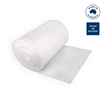
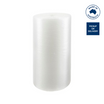
Closed-cell polyethylene products suit applications where greater edge protection, puncture resistance or moisture resistance is required. A good example is our Polyfoam EPE Rolls, which are widely used in protective packaging because closed-cell polyethylene foam combines low weight, resilience and surface protection. For heavier products, higher-density closed-cell materials maintain a protective gap between the product and carton wall during impact events. If excessive compression occurs, impact forces transfer more directly into the packaged item.
Multi-Layer Foam Systems
A single foam does not always satisfy every performance requirement. In packaging, construction and industrial applications, different foam structures are often combined because each material contributes a specific property.
- A fragile electronic component may require soft open-cell foam against the product surface to reduce vibration and distribute pressure.
- A denser closed-cell foam layer positioned beneath it absorbs larger impacts and maintains a protective separation between the product and the outer carton.
The same principle appears in other applications. Closed-cell insulation panels resist moisture and heat transfer in building assemblies, while open-cell acoustic foam absorbs sound energy within the occupied space. Marine seating frequently combines closed-cell flotation materials with softer cushioning layers to balance buoyancy and comfort.
When comparing open-cell vs closed-cell foam, the selection process does not always end with choosing one material over another. In many applications, the best result comes from combining different cellular structures so that each layer performs a specific mechanical, thermal or acoustic function.
Call The Foam Company team to discuss your open-cell vs closed-cell foam requirements.






Leave a comment
This site is protected by hCaptcha and the hCaptcha Privacy Policy and Terms of Service apply.