

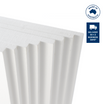
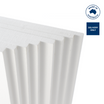
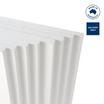
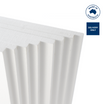
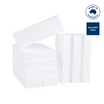
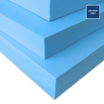
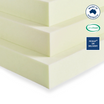
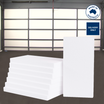


A plumbing penetration passing through a concrete slab requires a protected void around the pipework. The size, position and compressive performance of plumbers blocks affect how access remains available once the slab cures. Incorrect void formation can leave plumbing connections trapped inside hardened concrete. When you are specifying EPS plumbers blocks and concrete slab service penetrations, The Foam Company cuts profiles to suit fully customised slab construction requirements.
Once a concrete slab has been poured, creating a new plumbing opening usually requires concrete cutting or core drilling, adding labour, equipment hire, contractor costs, project delays and site disruption. If the required clearance is already known during construction, plumbers blocks reserve that space while the slab is poured. Removing the block after curing leaves the required void without cutting, drilling or removing concrete.
Plumbing Voids Within Concrete Slabs
A concrete slab exerts significant pressure during placement. Without a void former, wet concrete flows around pipes, waste outlets and service penetrations, filling every available space before hardening.
Polystyrene plumbers blocks create a physical barrier that prevents concrete from occupying those areas. Once the slab reaches strength, the cavity remains available for inspections, maintenance work, pipe connections or future modifications.
The dimensions of the void matter. A cavity that is too small can restrict access to fittings. Excessively large voids consume unnecessary slab space and may require additional treatment. For that reason, many projects use custom-cut profiles matched to plumbing layouts and engineering requirements.
EPS Material Properties and Slab Applications
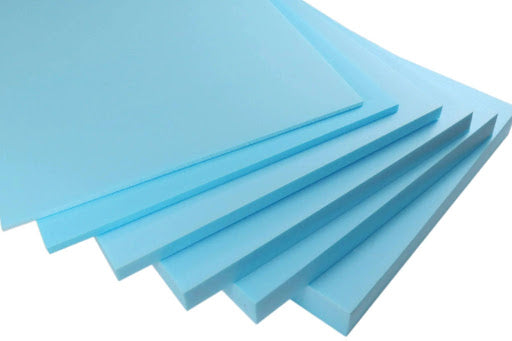
The material used in most EPS plumbers blocks for concrete slabs is expanded polystyrene. EPS combines low weight with sufficient compressive strength to withstand concrete placement without collapsing under load.
During a concrete pour, pressure is applied from multiple directions. EPS has sufficient compressive strength to maintain the required cavity shape without collapsing, ensuring the planned service void remains intact.
Some common applications include:
- Toilet waste penetrations through slabs.
- Pipe access points beneath bathrooms and laundries.
- Service penetrations entering commercial buildings.
- Plumbing inspection and maintenance cavities.
- Concrete recesses around specialised pipe assemblies.
Because EPS cuts easily into customised profiles, unusual plumbing arrangements can be accommodated without complex formwork construction.
Foam Blocks and Service Accessibility
Plumbing components such as isolation valves, inspection points and pipe junctions require working space after the building is occupied. If concrete is poured tightly around those components, future servicing, repairs or upgrades may require sections of the slab to be cut away simply to gain access. Foam plumbers blocks reserve that clearance during construction, leaving a dedicated cavity once the block is removed.
The importance of service accessibility is recognised throughout construction practice. Guidance published by the Australian Building Codes Board notes that building elements should remain accessible for inspection, maintenance and replacement where required. Access cavities around plumbing services contribute directly to that objective.
Placement accuracy is equally important. If a block is installed even a few centimetres away from its intended position, concrete can partially encase the plumbing component or reduce the working clearance around it. Correct positioning during the slab pour avoids unnecessary rectification work once the concrete has cured.
Plumbing Block Coordination With Construction Drawings
Concrete work follows approved drawings in which the positions of plumbing, reinforcement and structural elements have already been coordinated. Installing concrete slab plumbing blocks to those documented locations allows the slab to be poured without later guessing where service penetrations should have been left. The reserved void aligns with the plumbing layout specified for the project, reducing clashes between trades and allowing plumbers, concreters and following contractors to work from the same coordinated design information.
Custom-Cut Solutions for Plumbing Services
A standard block does not always leave the correct clearance around grouped pipework, oversized penetrations or complex service layouts. When multiple services pass through the same section of slab, the void must match the installed plumbing rather than the nearest standard block size.
At The Foam Company, we cut foam blocks for plumbing access to your specified dimensions and profiles for construction projects Australia-wide. Our custom profiles accommodate plumbing penetrations, concrete formwork, void formers and specialised blockout requirements, allowing the cavity to match the installed services instead of forcing the plumbing to fit a standard foam shape. With warehouses located across Australia, we dispatch custom-cut products quickly to help reduce lead times and keep projects moving.
Order your EPS plumbers blocks with The Foam Company.





Leave a comment
This site is protected by hCaptcha and the hCaptcha Privacy Policy and Terms of Service apply.