

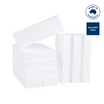
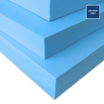
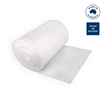
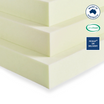
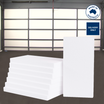
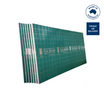


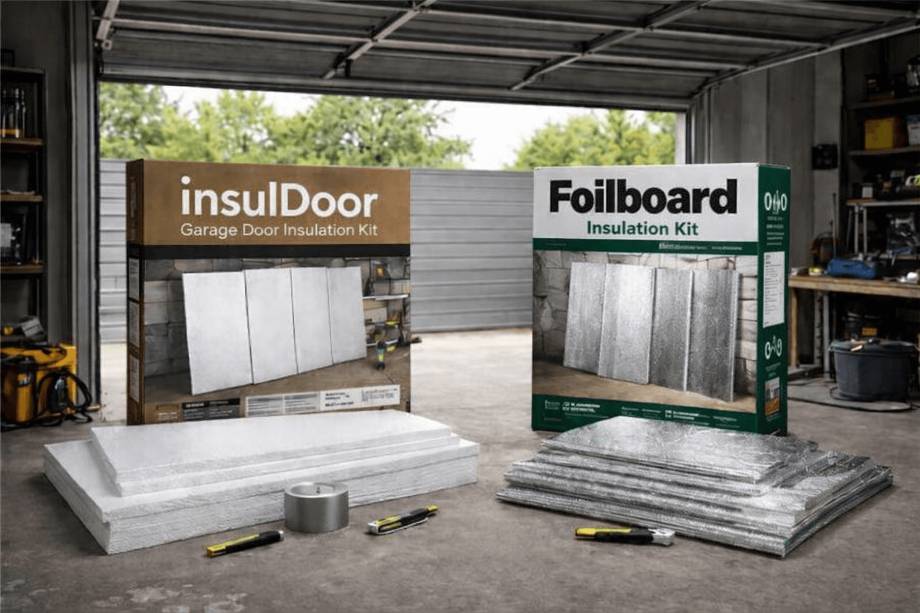
Want to upgrade your garage into a comfortable, usable workspace? Choosing the right insulation is the most important decision you’ll make. While many homeowners compare generic Foilboard options against other methods, the real debate for those seeking the best results is Foilboard vs. the InsulDoor Garage Door Insulation Kit.
While both options aim to regulate temperature and dampen noise, they differ significantly in density, ease of installation and overall value. Let’s break down why the InsulDoor kit is the superior choice for Australians looking for a professional, custom-fit finish.
Your Garage Insulation Options
A standard metal garage door is essentially a giant radiator; it sucks in heat during the summer and lets it escape rapidly in the winter. Quality insulation acts as a barrier, stabilising the temperature and saving you money on energy costs.
While Foilboard is a common rigid-panel solution, the InsulDoor Garage Door Insulation Kit has been engineered to overcome the common hurdles of DIY garage projects.
What is Foilboard Insulation?
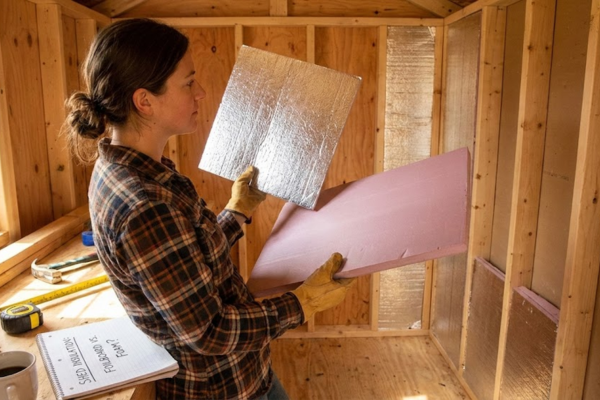
Foilboard is a general-purpose rigid panel constructed from expanded polystyrene (EPS) with a reflective foil laminate on both sides. It is often used in walls and ceilings as well as garage doors.
- The Pros: It reflects radiant heat and is moisture-resistant.
- The Cons: It usually comes in standard sheet sizes. You have to measure, mark and cut every single panel yourself, which can lead to a lot waste and messy edges.
What is the InsulDoor Garage Door Insulation Kit?
The InsulDoor Kit is a premium solution exclusive to The Foam Company. Unlike generic panels, these are custom-cut to your specific door measurements before they leave our warehouse.
Benefits of the InsulDoor Kit:
- Higher Foam Density: Specifically engineered for superior thermal resistance compared to standard foam boards.
- Made to Order: We cut the length, width and thickness to your exact specifications.
- Ultra-Lightweight: These are the lightest panels on the Australian market, meaning you rarely need to pay a technician to adjust your door’s spring tension after installation.
- Acoustic Excellence: Designed to dampen street noise.
Head-to-Head: Why InsulDoor Outperforms Generic Foilboard
1. Custom Precision vs. Manual Cutting
With standard Foilboard, you’ll spend hours on the garage floor with a utility knife trying to get straight edges. The InsulDoor Kit arrives ready to slide into place. Because we use industrial cutting equipment, your panels fit snugly within a +/-2mm tolerance, preventing gaps that let heat leak through.
2. Aesthetic Appeal
Foilboard has a reflective, industrial look that may not suit every home. InsulDoor panels feature a smooth, clean white finish. Once installed, it transforms the inside of your garage from a cluttered metal space into a bright, stylish and professional-looking room.
3. Thermal & Acoustic Performance
While Foilboard reflects heat, InsulDoor panels utilise a higher foam density. This provides a solid thermal break, capable of reducing your garage door’s surface temperature by up to 15°C in the peak of summer. The increased density also means better sound absorption, making your garage much quieter for DIY projects or home gyms.
4. Weight and Door Safety
Adding weight to a garage door can be dangerous if the spring tension isn't recalibrated. Because InsulDoor panels are the lightest in their class, they offer maximum R-value (insulation power) without the heavy bulk, keeping your door opener running smoothly without extra strain.
Installation: The DIY Experience
- Foilboard: Requires a long process of measuring each door panel, marking the sheets and carefully cutting around hardware.
- InsulDoor: You simply provide your measurements when ordering. When the kit arrives at your door (dispatched from our local state warehouses), the hard work is already done. You only need a few basic tools to secure them, making it the fastest DIY insulation project on the market.
Value for Money
While generic foam boards might seem cheaper, the hidden costs add up. You often pay for offcuts you don't use, spend money on specialised cutting tools and lose hours of your weekend.
The InsulDoor Kit is currently the most popular and affordable custom-cut solution in Australia. Choosing a product that is pre-measured and higher in density means you are investing in a long-term solution that pays for itself through reduced energy bills and a more versatile home.
Which Should You Choose?
If you are looking for a generic material to cut yourself, Foilboard is a solid option. However, if you want a premium, high-density, and perfectly fitted solution that looks professional and installs in a fraction of the time, the InsulDoor Garage Door Insulation Kit is the clear winner.
Transform your garage into a quiet, temperature-controlled living space. Explore the InsulDoor Garage Door Insulation Kit and get a custom quote for your door today.
FAQs
1. How long does delivery take?
Due to high demand for the InsulDoor kits, current lead times are typically 5-15 business days for metro areas across Australia.
2. Do I need a professional to install the InsulDoor Kit?
Not at all! Because the panels are pre-cut to your specifications, it is a very simple DIY project.
3. Will this make my garage quieter?
Yes. Beyond the thermal benefits, the high-density foam in the InsulDoor panels significantly improves sound absorption, reducing noise from the street and the garage door motor itself.
4. How do I measure my door?
We provide easy-to-follow instructions on our product page to ensure your custom panels fit perfectly the first time.





Leave a comment
This site is protected by hCaptcha and the hCaptcha Privacy Policy and Terms of Service apply.