

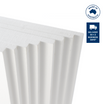
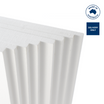
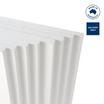
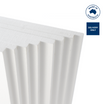

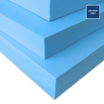
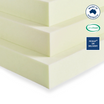
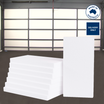



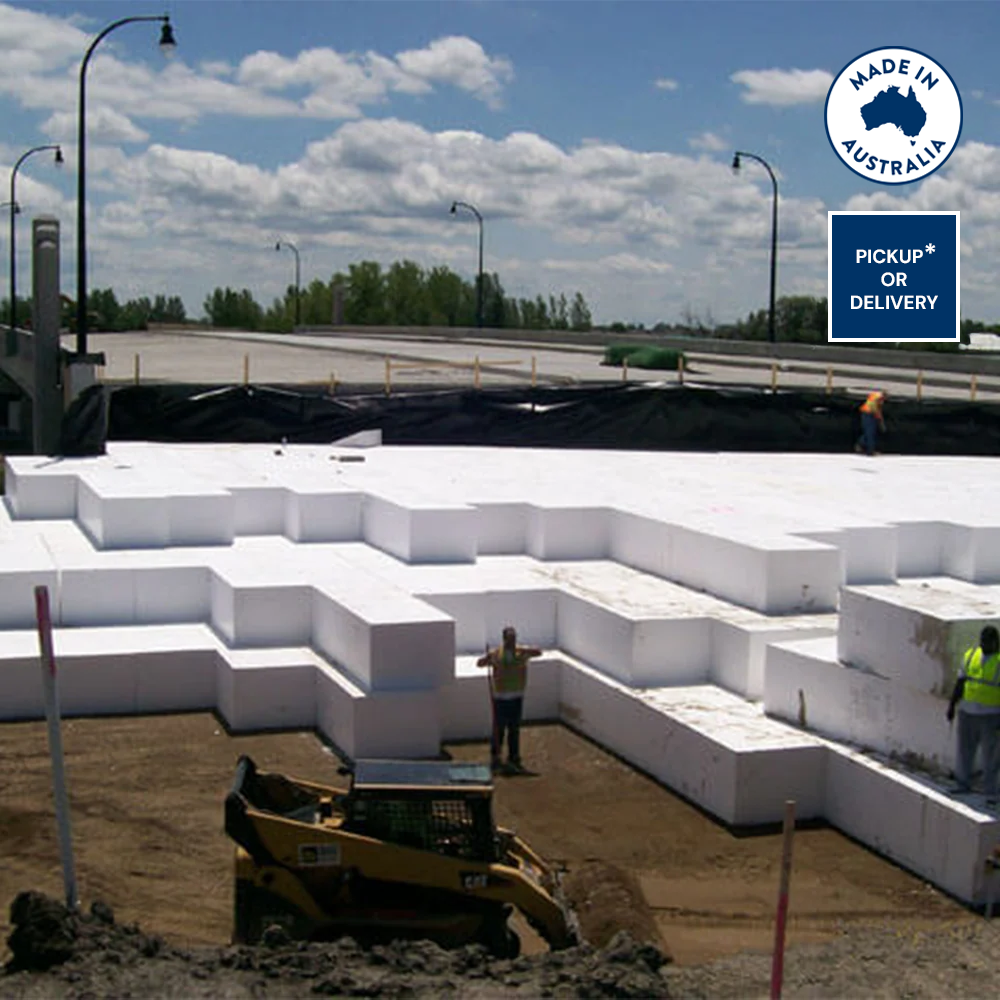
An embankment, road widening or other raised construction area can require substantial fill over ground with limited capacity for additional weight. Geofoam provides the required volume using lightweight fill, while its grade still has to withstand the loads applied above it. The Foam Company supplies EPS geofoam in different grades and block dimensions to suit specific project requirements. Ground conditions and imposed loads therefore remain part of the engineering design.
An embankment, road widening or bridge approach can require a substantial volume of fill, and conventional soil adds its own weight to the underlying ground. In geofoam applications in Australia, replacing some of that soil with EPS reduces the additional load while maintaining the required fill volume. The Foam Company supplies EPS products for construction applications, including EPS geofoam for civil construction, in a range of densities and block configurations.
EPS Geofoam as Lightweight Fill
A large EPS block occupies considerable fill volume without adding the weight associated with the same volume of soil. EPS geofoam is rigid expanded polystyrene manufactured in large blocks for use as engineered lightweight fill. The blocks occupy the required space while adding substantially less dead load than conventional earth fill. The US Federal Highway Administration reports EPS geofoam densities of approximately 12 to 32 kg/m³, compared with much higher densities for other lightweight fill materials.
That weight difference reduces the load transferred into the ground. Where compressible soils sit beneath an embankment, replacing heavier fill with geofoam lightweight fill reduces the added soil load and therefore the stress contributing to settlement. The same principle applies where existing structures or buried services have limited tolerance for additional loading.
Lightweight does not mean load-free. Pavement, traffic, structures and material placed above the blocks still apply forces to the polystyrene geofoam. The specified EPS grade therefore needs sufficient compressive strength for the design load. FHWA guidance identifies different physical and compressive requirements for different EPS geofoam types, so the material has to be specified as an engineered component rather than selected simply because it is EPS.
Civil Construction Applications
The reduction in fill weight solves different loading problems across a civil project. EPS geofoam blocks can be used in Australian civil construction applications where weak ground, existing structures or buried services restrict the additional weight that conventional fill would impose:
- An embankment over compressible ground can use EPS to limit additional loading and associated settlement.
- A bridge approach can reduce loading near the abutment and limit differential movement between the approach fill and structure.
- Backfill behind a retaining wall can use the lower material weight to reduce lateral pressure.
- Road construction and widening can use geofoam blocks where underlying soils, buried utilities or adjacent infrastructure restrict the weight of conventional fill.
- Engineered void filling can occupy substantial space without introducing the equivalent weight of soil fill.
FHWA documents EPS geofoam in roadway, bridge abutment and retaining-structure applications, including situations where conventional fill would impose unacceptable loads on underlying soils or adjacent infrastructure.
Geofoam Specification and Site Conditions
For EPS geofoam blocks in Australia, the engineering specification needs to establish what the installed material will experience. Density and compressive resistance need to suit the imposed loads, while block dimensions have to correspond with the designed fill geometry. Loads also need to be distributed through the completed construction as the design intends. A road pavement above the blocks, for example, introduces traffic loading in addition to the permanent weight of the materials forming the pavement structure.
The required compressive strength therefore cannot be separated from the location of the blocks and the loads above them. The selected EPS grade should balance the required compressive strength with the weight reduction objectives of the engineering design. The selected grade needs to satisfy the engineering requirement while retaining the weight reduction required by the design.
Our EPS geofoam blocks can be supplied against defined project requirements, including the required EPS density and block dimensions. This keeps the supply stage tied to the engineering specification rather than treating every civil application as the same EPS product. EPS and geofoam products
Groundwater introduces a separate design condition. EPS is buoyant, so drainage, cover or restraint needs to account for uplift where water levels could affect the installed blocks. Site drainage and anticipated groundwater levels therefore form part of the design where buoyancy is relevant. The low material weight that reduces loading on weak ground is the same physical property that creates uplift forces when the blocks are exposed to sufficient water.
Send your geofoam specifications to The Foam Company for supply requirements and a quote.





Leave a comment
This site is protected by hCaptcha and the hCaptcha Privacy Policy and Terms of Service apply.